
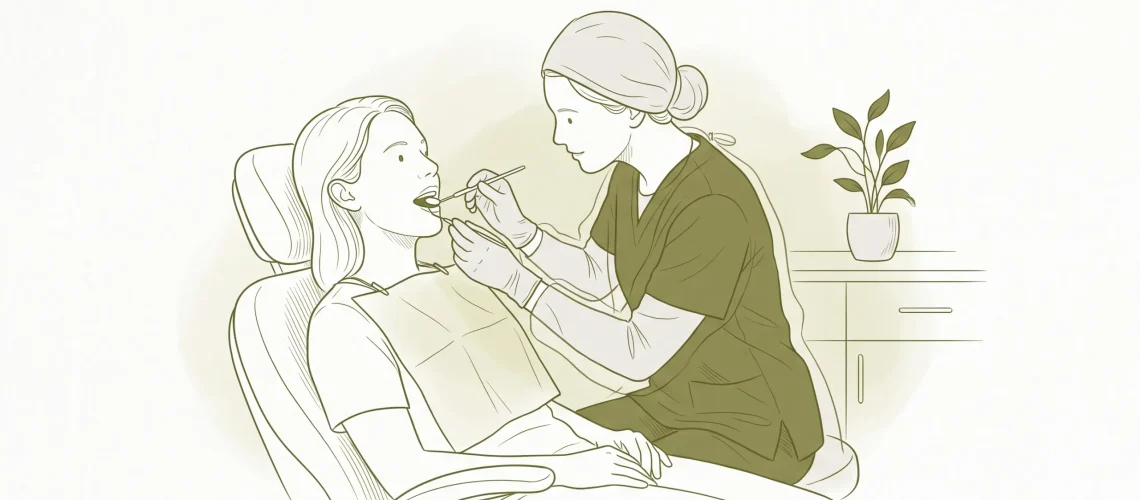
If you have typed “dental clean Gold Coast” into Google, you may be wondering whether you are due for one or whether you should wait until something feels wrong. In most cases, a dental clean is recommended as part of preventive care, not only when there is pain, staining or bleeding.
A professional dental clean helps remove plaque and hardened tartar, also called calculus, from areas that are difficult to clean well at home. It is often combined with a dental examination so your dentist can assess your teeth, gums and mouth before recommending any treatment.
Dental clean Gold Coast: when a visit may be recommended
There is no single cleaning schedule that suits every person. Many people are familiar with the idea of a six-monthly check-up and clean, but your dentist may suggest a different interval depending on your oral health, gum condition, medical history and risk of tooth decay.
A dental clean may be recommended when:
- You are due for a routine preventive visit
- Your gums bleed when brushing or flossing
- You have visible tartar build-up near the gumline
- Your breath has changed and does not improve with normal brushing
- You are preparing for cosmetic dental treatment, such as whitening or veneers
- You wear braces, aligners or retainers and find some areas harder to clean
- You have dry mouth, diabetes, a history of gum disease or other factors that can affect oral health
- You have not seen a dentist for some time and want a baseline assessment
The aim is not to over-treat. A dental examination can help determine whether a clean is appropriate now, whether a different type of gum treatment is needed or whether monitoring and home care changes may be enough.
For general patient information about oral health and check-ups, the Australian Dental Association’s public education site Teeth.org.au is a useful Australian resource.
How often should you have a dental clean?
Your recommended timing depends on your individual risk factors. Some people may be advised to attend every six months. Others may need more frequent maintenance, particularly if they have active gum inflammation, a history of periodontal disease, heavy tartar build-up or difficulty cleaning around dental work.
Some patients with stable oral health may be suitable for a longer interval, but this should be discussed with a dentist rather than guessed at home.
| Situation | Why a clean may be discussed | Possible timing approach |
|---|---|---|
| Stable oral health and good home care | Preventive maintenance and early detection | Often around six to 12 months, depending on assessment |
| Bleeding gums or gum inflammation | Plaque and tartar may be contributing factors | Dentist may recommend review and tailored cleaning interval |
| History of gum disease | Ongoing maintenance may reduce the chance of deterioration | More frequent reviews may be considered |
| Braces, aligners or retainers | More plaque can collect around attachments or appliances | Timing depends on cleaning ability and gum health |
| Dry mouth or higher decay risk | Less saliva can make teeth more vulnerable to decay | Dentist may suggest closer monitoring |
This table is a general guide only. Your dentist can assess your mouth and explain what is reasonable for your circumstances.
Signs you may be overdue for a clean
You do not need to wait for symptoms before booking a dental clean. However, certain signs suggest it is worth arranging an appointment for assessment.
Bleeding when brushing or flossing is one of the most common reasons people ask about professional cleaning. It may be linked to gum inflammation, brushing technique, flossing changes or other factors. Bleeding that continues, worsens or occurs without brushing should be assessed by a dentist.
Tartar build-up is another reason. Plaque is a soft film of bacteria that can often be removed with daily brushing and cleaning between the teeth. Tartar is hardened plaque. Once it has formed, it usually needs to be removed with professional dental instruments.
Other reasons to book include persistent bad breath, gum tenderness, food trapping, staining you are concerned about or uncertainty about whether you are cleaning effectively at home. If you have pain, facial swelling, a loose adult tooth, pus near the gums, fever or trauma to a tooth, it is better to seek prompt dental advice rather than waiting for a routine clean.
What happens during a dental clean appointment?
A dental clean is usually provided by a dentist, dental hygienist or oral health therapist, depending on the practice and your needs. If you would like more detail about the different roles involved, The Dental Lounge @ Robina has an article explaining who provides professional teeth cleaning and what it involves.
A typical appointment may include a few parts. The order can vary depending on your oral health and whether you are also having a check-up.
- Medical and dental history review: Your dental team may ask about medications, allergies, pregnancy, health conditions, smoking, dry mouth or previous dental concerns.
- Examination: Your dentist may check your teeth, gums, bite, soft tissues and any existing fillings, crowns or other dental work.
- Gum assessment: This may include checking for bleeding, gum pocket depths or areas where plaque and tartar are collecting.
- Scaling: Hand instruments or an ultrasonic scaler may be used to remove plaque and tartar from teeth and around the gumline.
- Polishing: Polishing may help remove some surface stains and leave teeth feeling smoother.
- Fluoride or preventive advice: Fluoride may be recommended for some patients. Your dentist can explain whether it is suitable for you.
- Discussion of findings: If anything needs monitoring or treatment, your dentist should explain the options, likely benefits, limitations and costs before you decide what to do next.
You may feel pressure, vibration, water spray or sensitivity during parts of the clean. If you are nervous, have sensitive teeth or have had a difficult dental experience before, mention this when booking or at the start of the appointment. The Dental Lounge @ Robina offers sedation options, and your dentist can discuss whether any comfort measures may be suitable for your individual situation.
Is a dental clean the same as gum disease treatment?
Not always. A routine clean is generally aimed at removing plaque, tartar and surface staining above and around the gumline as part of preventive care. If there are signs of periodontal disease, which affects the supporting structures around teeth, a different approach may be needed.
Periodontal treatment can involve deeper cleaning below the gumline, review appointments, X-rays when indicated and longer-term maintenance. It may also require referral to a periodontist, who is a dentist with specialist training in gum disease, depending on the severity and complexity.
This is why a dental examination matters. A routine clean may not be enough for every gum concern, and deeper treatment is not needed for every patient. The recommendation should be based on clinical findings, not a one-size-fits-all schedule.
When a clean may be recommended before other dental treatment
A dental clean may be discussed before certain treatments because healthy gums and clean tooth surfaces can help your dentist assess your mouth more clearly. This does not mean everyone needs a clean before every procedure.
For example, a clean may be considered before teeth whitening because surface plaque and tartar can affect how teeth are assessed. It may also be recommended before some cosmetic treatments so your dentist can check gum health, existing restorations and any areas of decay or wear.
If you are planning orthodontic treatment such as Invisalign, your dentist may assess whether your teeth and gums are healthy enough before starting. Cleaning advice can also be important during aligner treatment because aligners cover the teeth for much of the day.
Cosmetic or orthodontic treatment suitability depends on oral health, treatment goals, tooth structure, bite, gum condition, medical history and other individual factors. All dental procedures carry potential benefits and risks, and your dentist should discuss reasonable alternatives before treatment begins.
What can affect the cost of a dental clean?
The cost of a dental clean can vary because not every appointment includes the same services. A simple preventive clean is different from a longer appointment involving a full examination, X-rays, fluoride, periodontal charting or more complex tartar removal.
Private health fund rebates may also vary depending on your cover and annual limits. If cost is a concern, ask for an estimate before treatment begins and check what is included. You can also read more about what can influence the price of a dental clean for a broader explanation.
The Dental Lounge @ Robina provides payment plans and specials, but the suitability of any payment option depends on the service, your treatment plan and the terms available at the time. Fees should be discussed directly with the clinic before you proceed.
Choosing where to book a dental clean in Robina
If you live or work around Robina, Varsity Lakes, Mermaid Waters, Burleigh Waters, Merrimac or Broadbeach Waters, convenience may be one factor in choosing a dental clinic. It is also worth considering whether the clinic explains treatment clearly, discusses fees upfront and takes time to assess your individual needs.
Search results can be a helpful starting point, but they should not be the only factor. Rankings can be influenced by location, website quality and digital marketing, including services such as local SEO for small businesses. For healthcare decisions, it is better to look for clear information, appropriate qualifications, transparent communication and a clinical assessment before deciding on treatment.
The Dental Lounge @ Robina is an independently owned dental clinic in Robina offering general dentistry, cosmetic dentistry, orthodontic options, oral surgery and sedation options. If you are unsure whether you need a routine clean, a gum assessment or another type of appointment, the team can advise what booking type may be appropriate when you contact the clinic.
For a broader look at preventive care, this guide to how a dental clinic can support a healthy smile explains how routine checks, cleaning and treatment planning can work together.
What you can do between dental cleans
A professional clean supports home care, but it does not replace it. Daily habits still do most of the work between appointments.
Brushing twice a day with fluoride toothpaste is generally recommended for most people. Cleaning between the teeth with floss or interdental brushes can help remove plaque where a toothbrush does not reach. Your dentist can show you which method may suit your teeth, especially if you have tight spaces, gum recession, braces, bridges or implants.
Diet and saliva also matter. Frequent snacking on sugary foods or drinks can increase acid attacks on teeth. Dry mouth can also affect decay risk, and it may be linked to medications, medical conditions or dehydration. If you regularly feel your mouth is dry, mention this at your next dental visit.
Public health information about oral health is also available through healthdirect, which provides Australian health information written for the general public.
Frequently Asked Questions
How often is a dental clean recommended? The timing varies between patients. Many people attend around every six months, but your dentist may suggest a shorter or longer interval based on your gum health, decay risk, medical history and home care.
Do I need a dental clean if my teeth feel fine? You may still benefit from a preventive check and clean because early decay, gum inflammation or tartar build-up can be difficult to notice at home. Your dentist can assess whether a clean is needed.
Can a dental clean whiten my teeth? A clean can remove some surface stains and tartar, which may make teeth look and feel cleaner. It does not change the natural colour of teeth in the same way as teeth whitening treatment.
Is bleeding during brushing a reason to book an appointment? Bleeding gums can be associated with gum inflammation, technique changes or other oral health issues. If bleeding continues or concerns you, a dental assessment is sensible.
Will I need X-rays at every dental clean? Not necessarily. X-rays are usually recommended when clinically indicated, based on your dental history, symptoms, risk factors and what your dentist can see during an examination.
Can I have a dental clean if I am nervous about dental treatment? Yes, many nervous patients can still have dental care with an appointment approach that suits their needs. Let the clinic know when booking so they can discuss timing, communication preferences and any suitable comfort options.
Discuss a dental clean in Robina
A dental clean may be recommended for prevention, gum health, tartar removal or as part of planning for other dental treatment. The right timing depends on your individual oral health rather than a fixed rule for everyone.
To discuss your concerns, you can book an appointment with the team at The Dental Lounge @ Robina. A dental examination can help determine what type of clean, review or treatment may be appropriate for your circumstances.