
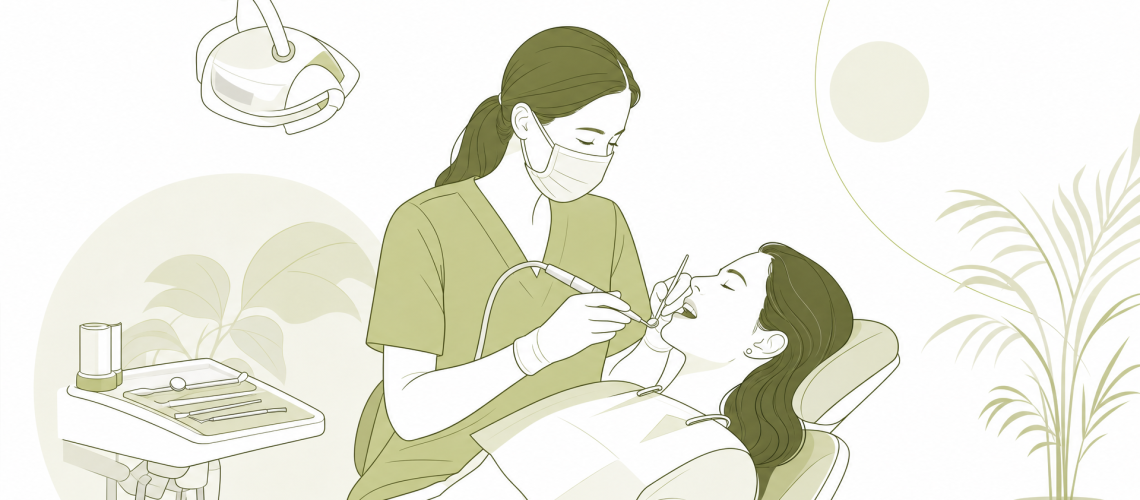
If you have searched for a ‘dentist that clean teeth’, you are probably looking for a professional dental clean, often called a scale and clean. In Australia, this type of care may be provided by a dentist, dental hygienist or oral health therapist, depending on the clinic, your oral health needs and the provider’s scope of practice.
A professional clean is different from brushing at home. It is designed to remove hardened plaque, called calculus or tartar, from areas your toothbrush and floss cannot properly reach. It may also include polishing, gum assessment, fluoride where appropriate and advice on keeping your teeth and gums healthy between visits.
Is a ‘dentist that clean teeth’ the only person who can provide a clean?
Not always. Dentists certainly provide professional teeth cleaning, but they are not the only registered dental practitioners who may do so.
In Australia, dental care is regulated, and dental practitioners must work within their professional scope. The Dental Board of Australia sets registration standards for dental practitioners, including dentists, dental hygienists and oral health therapists.
| Provider | What they may do in a professional cleaning appointment |
|---|---|
| Dentist | Examine your teeth and gums, diagnose dental conditions, provide cleaning and discuss treatment options if problems are found. |
| Dental hygienist | Focus on preventive care, gum health, plaque and calculus removal, polishing and oral hygiene education within their scope. |
| Oral health therapist | Provide a range of oral health services, often including preventive cleaning and education, within their scope of practice. |
| Periodontist | A dental specialist who may be involved if you have more advanced gum disease or complex periodontal needs. |
A dental assistant may support the appointment, prepare instruments and help the practitioner, but the clinical cleaning itself is performed by an appropriately trained dental practitioner.
At The Dental Lounge @ Robina, the most suitable provider for your clean can depend on your gum health, comfort levels, medical history and whether you also need a dental examination.
Why professional teeth cleaning matters
Daily brushing and interdental cleaning, such as flossing or using interdental brushes, are still the foundation of oral care. A professional clean does not replace those habits. It supports them.
Plaque is a soft film of bacteria that forms on teeth. If plaque is not removed properly, it can harden into calculus. Once calculus forms, it usually cannot be removed with a toothbrush or floss at home. It needs dental instruments.
Calculus can build up near the gumline and between teeth. For some people, this may contribute to gum inflammation, bleeding gums, bad breath or progression of gum disease. A professional clean may help reduce these risk factors, but it cannot guarantee that gum problems will not occur. Your dentist or hygienist can assess your individual situation and explain what is realistic.
For general public health guidance, Healthdirect’s dental care information explains common ways to care for teeth and gums, including regular dental check-ups.
What happens during professional teeth cleaning?
The exact appointment can vary from person to person. A routine clean for someone with generally healthy gums may be quite different from cleaning required for active gum disease.
Most professional cleaning appointments involve the following parts.
A discussion about your oral health and medical history
Before cleaning begins, your dental practitioner may ask about your general health, medications, allergies, previous dental experiences and any symptoms you have noticed. This matters because some health conditions, medications and dental concerns can affect how your appointment is planned.
You can also mention if you feel nervous, have sensitive teeth, gag easily or have had uncomfortable dental visits in the past. If anxiety is a concern, it may help to read more about fear of going to the dentist before booking, so you know what to raise with the dental team.
An examination of your teeth and gums
A dental examination may be recommended before or alongside cleaning. Your practitioner may check for tooth decay, cracked teeth, worn fillings, gum inflammation, gum recession, signs of infection and other oral health concerns.
They may also measure the spaces between your teeth and gums. Deeper measurements can indicate areas that may need closer attention. X-rays are not always needed, but they may be recommended when clinically appropriate, such as when a dentist needs to check areas that cannot be seen directly.
Removal of plaque and calculus
This part is often called scaling. Your practitioner may use an ultrasonic scaler, hand instruments or a combination of both. An ultrasonic scaler vibrates quickly and uses water to help remove deposits from the teeth. Hand instruments allow careful cleaning around specific areas.
Some people feel pressure, vibration or sensitivity during scaling, particularly if the gums are inflamed or the teeth are sensitive. Let your practitioner know if something feels uncomfortable. They can pause, adjust the technique or discuss options that may make the appointment easier for you.
Polishing
After calculus is removed, your teeth may be polished with a dental paste. Polishing can help remove some surface stains and leave the tooth surfaces feeling smoother. It is not the same as teeth whitening, and it will not change the natural colour of teeth in the way whitening treatment may.
If your main concern is tooth colour, stains or cosmetic changes, a cleaning appointment can be a useful first step before discussing options. You may also find it helpful to read about choosing a cosmetic dental treatment that suits you, as suitability depends on oral health, goals and individual circumstances.
Fluoride or preventive advice where suitable
Fluoride may be discussed or applied in some appointments, depending on your risk of decay and your dentist’s recommendation. Your practitioner may also talk through brushing technique, flossing, interdental brushes, mouthguards, diet, dry mouth or other factors relevant to your oral health.
This advice should be tailored to you. A person with crowded teeth, gum recession or braces may need different cleaning tools from someone with wide spaces between teeth.
Routine clean, deep clean or periodontal care, what is the difference?
People often use the phrase professional teeth cleaning to describe several different appointments. The difference usually comes down to gum health, calculus build-up and whether cleaning is needed above or below the gumline.
| Type of care | What it generally involves | When it may be discussed |
|---|---|---|
| Routine scale and clean | Removal of plaque, calculus and surface stain around the teeth and gumline, often with polishing. | Preventive care or maintenance when gums are generally healthy or mildly inflamed. |
| Periodontal cleaning | More detailed cleaning below the gumline and around gum pockets. It may require local anaesthetic or multiple appointments. | When signs of gum disease or deeper gum pockets are present. |
| Periodontal maintenance | Ongoing cleaning and monitoring after gum treatment. | When a patient has a history of gum disease and needs closer review. |
| Cleaning before cosmetic treatment | A clean and assessment before considering whitening, veneers or other cosmetic options. | When stains, tooth colour or smile appearance are the main concern. |
Your dentist can explain which type of clean may be appropriate after examining your teeth and gums. A routine clean may not be enough if there is more advanced gum disease, and more involved periodontal care is not necessary for everyone.
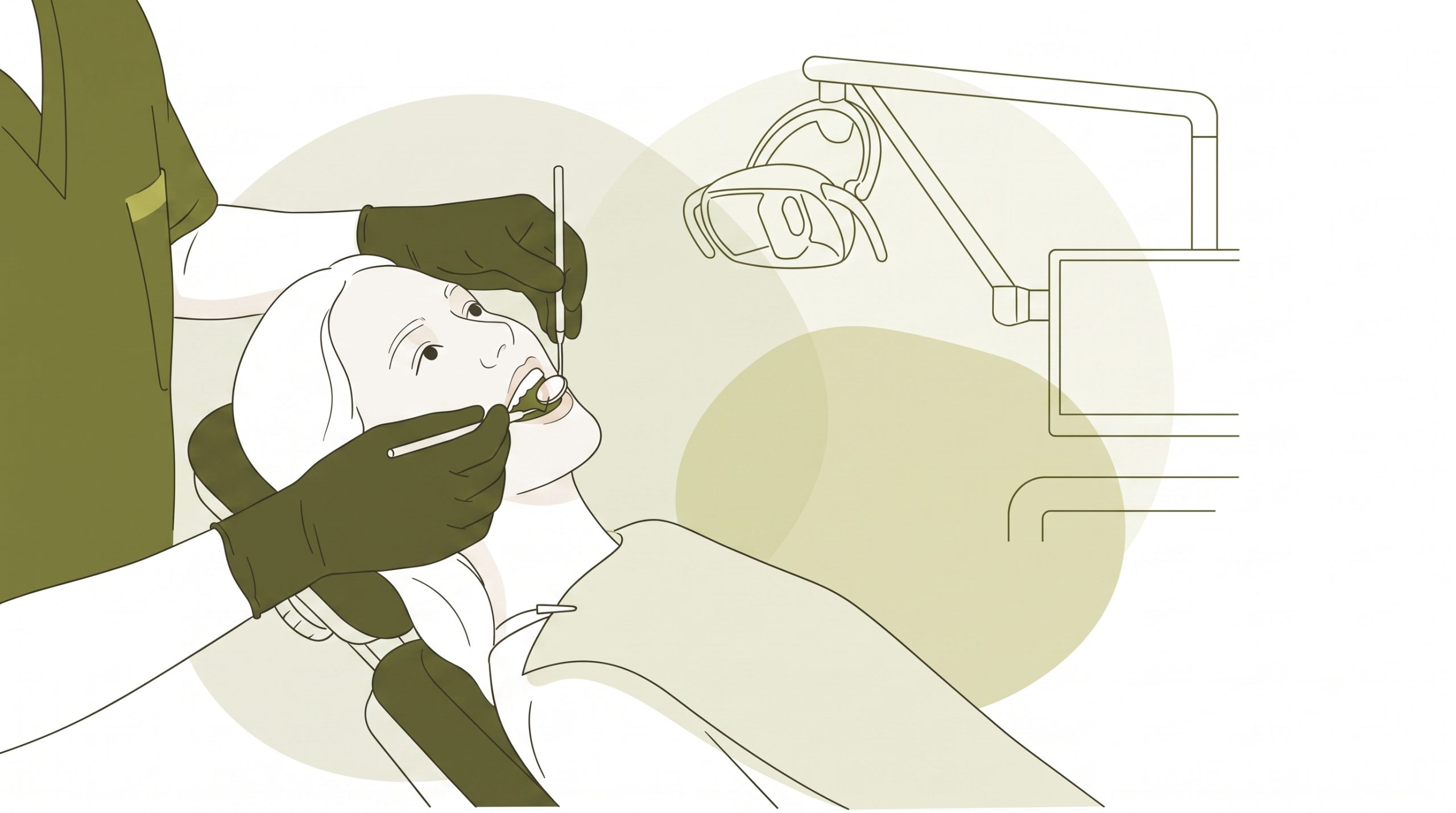
Does professional teeth cleaning hurt?
Many people tolerate a routine scale and clean well, but experiences vary. It is not accurate to promise that cleaning will be painless for everyone.
You may feel vibration, water spray, scraping sensations or brief sensitivity. If the gums are inflamed, they may feel tender or bleed during cleaning. This bleeding is often related to gum inflammation, not the cleaning itself, but your dental practitioner can explain what they are seeing during your appointment.
After a clean, some people notice temporary sensitivity to cold or tenderness around the gums. This usually settles, but you should contact your dentist if discomfort is significant, worsening or not improving.
If you are worried about discomfort, tell your dental practitioner before the appointment begins. Options can be discussed based on your needs, health history and the type of cleaning required.
What professional cleaning can and cannot do
A professional clean can be very useful, but it has limits. Knowing these limits helps you set realistic expectations.
Professional teeth cleaning may help remove calculus, plaque and some surface staining. It may also help your dental practitioner identify early signs of dental or gum problems before they become more difficult to manage.
However, a clean does not repair cavities, reverse advanced gum damage, whiten teeth internally or replace treatment for infections, cracked teeth or failing restorations. If your dentist finds tooth decay, gum disease or another concern, they should explain the findings and discuss possible options, including the benefits, risks, costs and alternatives where relevant.
If you already have toothache, swelling, pus, pain when biting or sensitivity that does not settle, a cleaning appointment may not be enough to address the cause. You can read more about common causes of tooth pain, but a dental examination is needed to assess your specific situation.
How often should you have your teeth professionally cleaned?
There is no single cleaning schedule that suits everyone. Some people may be advised to attend every six months, while others may need more frequent maintenance because of gum disease risk, heavy calculus build-up, dry mouth, smoking, diabetes, orthodontic appliances or difficulty cleaning certain areas.
Others with low risk and excellent home care may be advised differently. Your dental practitioner should recommend a review interval based on your oral health rather than a fixed rule.
A practical approach is to ask at your appointment:
- How healthy are my gums at the moment?
- Do I have calculus build-up in specific areas?
- Am I cleaning effectively between my teeth?
- Are there risk factors that mean I should come in more often?
- What changes at home would make the biggest difference for me?
These questions can help you understand why a certain schedule is recommended.
Choosing where to book a professional teeth clean
For many people, location matters. A clinic close to home, work or regular errands can make preventive care easier to keep up with. If you live or work around Robina, Varsity Lakes, Mermaid Waters, Burleigh Waters, Merrimac or Broadbeach Waters, a Gold Coast-based appointment may be more practical than travelling far for a routine clean.
If you split your time between cities, it may be sensible to choose a clinic based on where you can attend consistently. For example, someone working regularly in Melbourne may prefer a Melbourne CBD dentist for convenience, while someone based on the Gold Coast may look for care closer to Robina.
When choosing a clinic for professional teeth cleaning, consider whether you feel comfortable asking questions, whether your concerns are listened to and whether the dental team explains options clearly before treatment. It is reasonable to ask who will provide the clean, whether an examination is included and what costs may apply before you proceed.
How to prepare for your appointment
You do not need to make your teeth ‘look good’ before a dental clean. Dentists and hygienists see a wide range of oral health situations, and the purpose of the appointment is to assess and support your health, not to judge you.
It can be useful to bring a list of medications, details of allergies and any relevant medical conditions. If you have dental X-rays from another clinic, ask whether they should be transferred before your appointment.
Try to mention any symptoms early in the appointment, even if they seem minor. Bleeding gums, bad breath, jaw soreness, sensitivity, ulcers, chipped teeth or food trapping can all help your practitioner understand what may be going on.
When should you book sooner rather than waiting?
A routine cleaning appointment can often be planned ahead. Some symptoms may need more prompt dental assessment, especially if they suggest infection, injury or significant inflammation.
Consider contacting a dentist if you notice persistent tooth pain, facial swelling, pus, fever, trauma, a broken tooth, bleeding that does not settle or a loose adult tooth. If symptoms are severe or you feel generally unwell, seek appropriate urgent medical or dental advice.
For less urgent concerns, such as mild gum bleeding when brushing or visible tartar build-up, a dental examination and clean can help identify the cause and guide the next steps.
Frequently Asked Questions
Who provides professional teeth cleaning in Australia? Professional teeth cleaning may be provided by a dentist, dental hygienist or oral health therapist, depending on the clinic, the practitioner’s scope and your oral health needs.
Is a scale and clean the same as teeth whitening? No. A scale and clean removes plaque, calculus and some surface staining. Whitening is a separate cosmetic treatment that aims to lighten tooth colour and is not suitable for everyone.
Can professional cleaning remove tartar at home? Tartar, also called calculus, usually cannot be removed safely with brushing or flossing once it has hardened. Dental instruments are needed to remove it properly.
Will my gums bleed during a clean? Some people have gum bleeding during cleaning, especially if the gums are inflamed. Your practitioner can explain whether bleeding appears related to inflammation and what home care or treatment may be suitable.
Do I need a dental exam as well as a clean? Often, yes. An examination helps your dentist assess tooth decay, gum health, restorations and other concerns before recommending care. The right approach depends on your individual circumstances.
Professional teeth cleaning in Robina
A dental examination can help determine what type of cleaning is suitable for your teeth and gums. To discuss professional teeth cleaning in Robina, you can book an appointment with The Dental Lounge @ Robina. Your dentist can assess your oral health, explain your options and outline potential benefits, limitations and risks before treatment proceeds.