

If you have searched for a tooth doctor, you are most likely looking for what a dentist checks during a routine dental appointment. In Australia, the usual professional term is dentist, but many people use “tooth doctor” when they want a simple explanation of what happens at a check-up, why it matters and whether they need to book one.
A dental check-up is not only about finding cavities. Your dentist is also assessing your gums, existing fillings, bite, jaw joints, soft tissues and any changes that may need monitoring. The aim is to understand your oral health, identify concerns early where possible and discuss options that suit your individual circumstances.
What a tooth doctor checks before looking in your mouth
Before the clinical examination begins, your dentist will usually ask about your dental and medical history. This may include current symptoms, medications, allergies, previous dental treatment, pregnancy, smoking or vaping, medical conditions and any concerns about dental treatment.
This information helps your dentist interpret what they see during the examination. For example, dry mouth can be linked with some medications and may increase the chance of tooth decay. Gum bleeding may relate to plaque build-up, brushing technique, hormonal changes, certain health conditions or other factors.
A tooth doctor also wants to know what matters to you. Some patients are worried about sensitivity. Others are concerned about a chipped tooth, bad breath, bleeding gums or the appearance of a tooth. Sharing these concerns early helps your appointment focus on the issues that are most relevant to you.
Teeth, fillings and early signs of decay
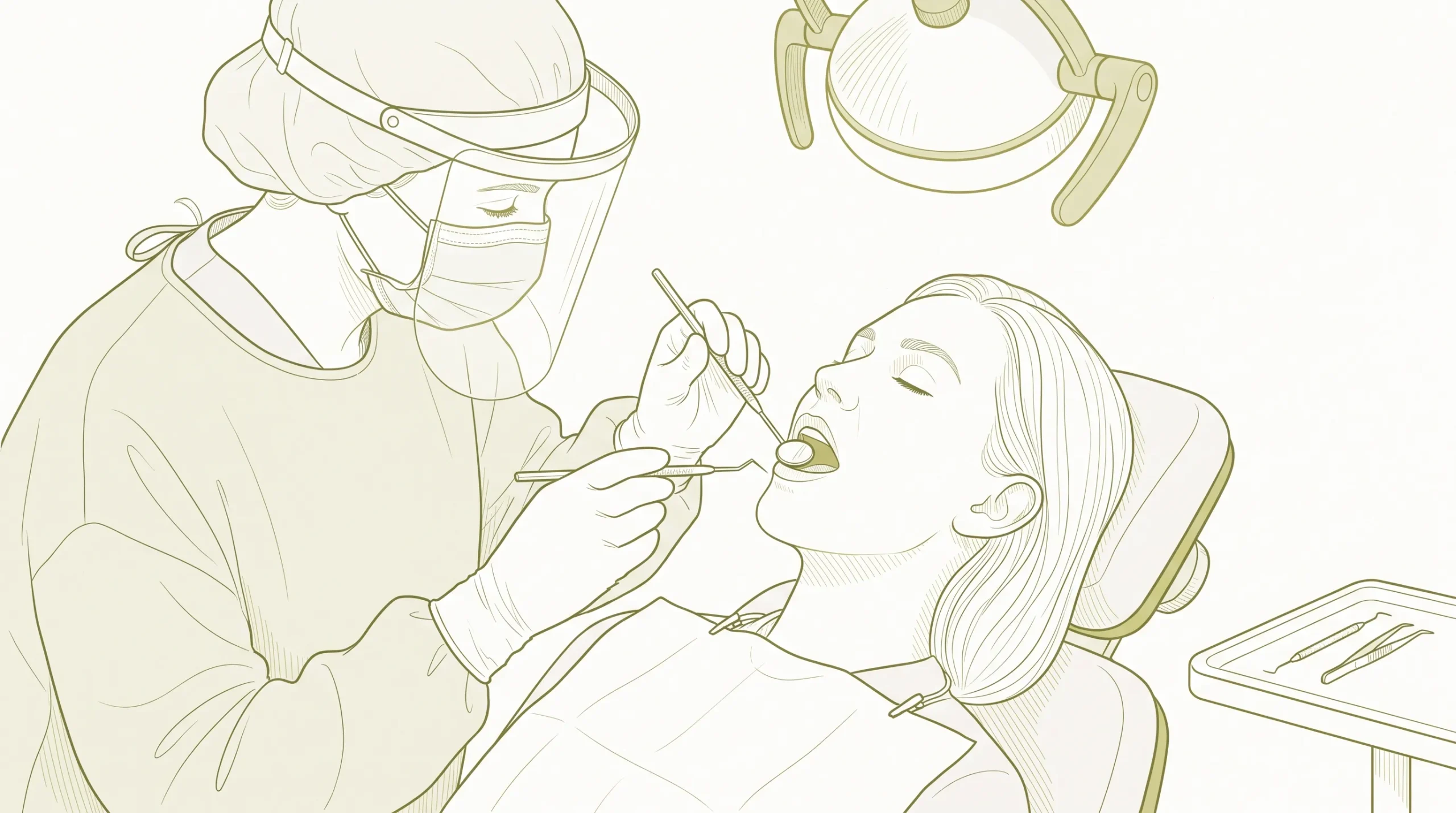
During the examination, your dentist checks each visible tooth surface using good lighting, a small mirror and dental instruments. They are looking for signs of tooth decay, cracks, chips, wear, staining, defects in enamel and changes around existing fillings, crowns or other restorations.
A tooth doctor is looking for both obvious problems and subtle changes. Early decay does not always cause pain, so waiting until a tooth hurts can mean the problem has already progressed. If something is found, your dentist may explain whether it needs treatment now, monitoring over time or a change in home care habits.
Existing dental work is also checked. Fillings and crowns can wear, chip or develop gaps at the edges. This does not always mean urgent treatment is needed, but it helps your dentist decide whether the area should be watched or repaired.
| Area checked | What your dentist may look for | Why it matters |
|---|---|---|
| Tooth surfaces | Decay, cracks, chips or enamel wear | These changes may affect tooth strength or comfort |
| Existing fillings | Gaps, rough edges, fractures or staining | Older restorations may need monitoring or repair |
| Tooth sensitivity | Exposed dentine, gum recession or decay | The cause can guide suitable management options |
| Tooth colour changes | Staining, trauma history or internal changes | Some colour changes may need further assessment |
| Crowns and bridges | Fit, margins, wear and surrounding gum health | Long-term maintenance depends on regular review |
Gums, plaque and professional cleaning
Your gums give important clues about oral health. During a check-up, your dentist may assess gum colour, swelling, bleeding, gum recession and the depth of the small spaces between teeth and gums. These spaces are sometimes called gum pockets.
Plaque is a soft film of bacteria that forms on teeth. If it hardens, it becomes calculus, also called tartar, which cannot be removed with normal brushing. For many people, a tooth doctor will recommend a professional clean as part of preventive care, especially where calculus has built up around the gumline.
Gum disease can range from mild gum inflammation to more advanced periodontal disease, where the supporting structures around teeth may be affected. Not every patient needs the same approach. Your dentist may suggest changes to brushing and flossing, more frequent maintenance visits or referral for further care depending on what is found.
If you would like more detail about who may perform a clean and what the appointment can include, this article on professional teeth cleaning in Australia explains the roles of dentists, dental hygienists and oral health therapists.
Bite, jaw joints and tooth wear
A routine check-up often includes a look at how your upper and lower teeth meet. Your dentist may ask you to bite together or move your jaw side to side. This can help identify uneven wear, clenching patterns, grinding signs, jaw joint tenderness or changes that may affect comfort when chewing.
Tooth wear can happen for several reasons, including grinding, acidic foods and drinks, reflux, brushing too firmly or natural ageing. Your dentist cannot always identify the cause from appearance alone, so they may ask questions about habits, symptoms and medical history.
If treatment is considered, options depend on the cause and severity. Some people may only need monitoring and preventive advice. Others may benefit from a custom mouthguard, changes to diet or further assessment of bite and jaw function. Your dentist can explain potential benefits, risks and alternatives before any treatment is started.
Soft tissues and broader oral health checks
A dental examination includes more than teeth. Your dentist may check your lips, cheeks, tongue, palate, throat area and the floor of the mouth. They are looking for ulcers, lumps, persistent red or white patches, swelling, signs of trauma or other changes that may need review.
Most mouth changes are not serious, but anything that does not heal or keeps returning should be assessed. Your dentist may recommend monitoring, reviewing possible causes or referring you to a medical or dental specialist if further investigation is appropriate.
The Australian Dental Association provides patient-friendly oral health information through Teeth.org.au, including general guidance about dental visits and prevention. For personal advice, a dental examination is still needed because symptoms can have more than one possible cause.
When X-rays may be recommended
Dental X-rays are not taken at every appointment for every patient. Your dentist may recommend them when they need information that cannot be seen during the visual examination, such as decay between teeth, bone levels around teeth, infection at the tooth root, impacted teeth or the position of wisdom teeth.
A tooth doctor may also suggest X-rays before planning certain treatments, such as extractions, crowns, implants, orthodontic treatment or root canal treatment. Whether X-rays are appropriate depends on your symptoms, dental history, age, risk factors and what your dentist can see clinically.
Dental X-rays involve radiation exposure, so your dentist should only recommend them when the expected diagnostic benefit justifies their use. If you are pregnant, have had recent X-rays elsewhere or have concerns about radiation, let your dentist know before imaging is taken.
What happens after the examination?
After the check-up, your dentist should explain what they found in clear language. This may include areas that are healthy, areas to monitor and any concerns that may need treatment. If treatment is recommended, you can ask about the reason for it, the likely appointment steps, costs, risks, alternatives and what may happen if you choose to wait or do nothing for now.
A tooth doctor may also discuss prevention. This can include brushing technique, flossing or interdental cleaning, fluoride use, diet habits, mouthguard options, smoking or vaping and how often you should return for review. The right recall interval varies between patients. Some people need more frequent visits because of gum disease, high decay risk or ongoing treatment, while others may be suitable for longer intervals.
If you are comparing fees or trying to understand what may be included, this guide to dentist check-up and clean costs outlines common inclusions such as examination, X-rays, cleaning and fluoride.
All dental procedures carry potential risks and benefits. Treatment outcomes and experiences vary between patients, so a clinical assessment is needed before your dentist can recommend what may be suitable.
How to prepare for a dental check-up in Robina
If you are visiting The Dental Lounge @ Robina for a routine appointment, it can help to arrive with a clear idea of what you want to discuss. This is especially useful if you have sensitivity, bleeding gums, a broken tooth, jaw discomfort or concerns about previous dental experiences.
Bring a list of current medications, recent dental X-rays if you have them and details of any relevant medical conditions. If dental anxiety has kept you away, mention this when booking or at the start of the appointment. Depending on your individual needs, your dentist can discuss comfort strategies and whether sedation options may be appropriate for the type of care being considered.
If you are researching online before booking, check whether the source is actually about dental care. Search results can include many different industries, including unrelated modular online software platforms that may be useful in their own field but are not dental health sources. For dental decisions, prioritise Australian health information, registered dental professionals and advice based on your own examination.
Patients in Robina and nearby Gold Coast areas such as Varsity Lakes, Mermaid Waters, Burleigh Waters, Merrimac and Broadbeach Waters may find it useful to choose a clinic that can provide routine care and explain when cosmetic, orthodontic, oral surgery or other options may be relevant. A broader overview of preventive and ongoing care is covered in this article on how a dental clinic can support a healthy smile.
When should you book sooner rather than waiting?
Routine check-ups are useful for prevention, but some symptoms should be assessed promptly. Contact a dentist if you have ongoing toothache, facial swelling, a broken tooth, dental trauma, pus, bleeding that does not settle, difficulty opening your mouth or pain with fever or feeling unwell.
These symptoms do not always mean something serious, but they can indicate infection, injury or another condition that needs timely assessment. If you have severe swelling, trouble breathing, trouble swallowing or feel very unwell, seek urgent medical care.
Frequently Asked Questions
Is a tooth doctor the same as a dentist? In everyday language, many people use “tooth doctor” to mean dentist. In Australia, dentists are registered health practitioners who assess, diagnose and treat conditions affecting the teeth, gums and mouth.
Does every check-up include a clean? Not always. Many routine visits include both an examination and a clean, but this depends on your needs, appointment type and gum health. Your dentist can explain what is recommended and why.
Will I need X-rays at every check-up? No. X-rays are recommended when your dentist needs extra information that cannot be seen during the clinical examination. The timing depends on your oral health, symptoms, previous dental history and risk factors.
How often should I see a dentist? The right interval varies. Some patients need more frequent reviews because of gum disease, decay risk or ongoing treatment, while others may be advised to return less often. Your dentist can recommend a recall schedule after assessing your mouth.
What if I feel nervous about dental appointments? Let the dental team know before or during your visit. They can explain the appointment, pause when needed and discuss comfort options that may suit your circumstances. Suitability for any sedation option requires individual assessment.
A calm check-up can give you clearer information
A dental check-up is a practical way to understand what is happening in your mouth, whether you have symptoms or simply want routine preventive care. Your dentist can assess your teeth, gums, soft tissues and bite, then explain any suitable options based on your oral health and preferences.
To discuss your concerns or arrange an assessment in Robina, you can book an appointment with The Dental Lounge @ Robina.