
A damaged tooth may need a dental restoration when decay, a chip, a crack, wear or an old filling has weakened the tooth enough that it can no longer function comfortably or cleanly on its own. If you searched for “dental restore” because something feels wrong with a tooth, the most useful next step is to understand what signs matter, what options may be available and when a dentist should assess it.
Not every damaged tooth needs major treatment. Some small chips can be smoothed or monitored. Other teeth may need a filling, bonding, an onlay, a crown or, in more involved cases, root canal treatment or removal. The right option depends on the amount of healthy tooth structure remaining, whether the nerve is affected, your bite, your oral health and your preferences.
What does a dental restoration mean?
A dental restoration is a treatment used to repair or replace damaged, decayed or missing tooth structure. The aim is to help the tooth function, protect what remains and make the tooth easier to clean. Depending on the situation, it may also improve the tooth’s appearance, although health and function usually come first.
Common dental restoration options include:
- Tooth-coloured fillings for smaller areas of decay or damage
- Dental bonding for some minor chips, worn edges or small cosmetic concerns
- Inlays or onlays when damage is too large for a simple filling but may not require a full crown
- Crowns when a tooth needs broader coverage and support
- Root canal treatment followed by a restoration when the nerve inside the tooth is infected or severely inflamed
- Bridges, dentures or dental implants when a tooth cannot be retained and needs replacement
A search for dental restore can sometimes bring up cosmetic information, but restoration is not only about appearance. A damaged tooth can affect chewing, trap food, become sensitive or place extra strain on neighbouring teeth. A dentist can examine the tooth and explain which options may be appropriate for your circumstances.
Signs a damaged tooth may need a dental restoration
Some tooth damage is obvious, such as a broken corner or a filling that has fallen out. Other signs are more subtle. You may not feel pain until the problem has progressed, particularly with early decay or small cracks.
A dental assessment may be recommended if you notice:
- A visible hole, chip, crack or rough edge
- Tooth sensitivity to cold, heat or sweet foods
- Food regularly catching between or inside teeth
- Pain when biting or releasing your bite
- A filling, crown or other restoration that feels loose, sharp or broken
- Dark staining, shadowing or a change in tooth colour
- Swelling, gum tenderness or a pimple-like bump near the tooth
- Bad taste or discharge around a tooth
- A tooth that feels different after an injury or knock
Sensitivity does not always mean a tooth needs a filling or crown. It may be related to gum recession, enamel wear, grinding, recent dental treatment or other causes. However, symptoms that persist, worsen or affect chewing are worth having checked.
If you have facial swelling, fever, difficulty swallowing, difficulty breathing or severe spreading pain, seek prompt medical or dental advice. Healthdirect’s information on dental abscesses explains that dental infections can sometimes require urgent care.
Common reasons a tooth may need restoring
Tooth decay
Tooth decay occurs when acids produced by bacteria in dental plaque gradually damage the tooth surface. Early enamel changes may sometimes be managed with preventive care, fluoride and improved cleaning if the surface has not broken down. Once a cavity forms, the damaged area usually cannot repair itself and a filling or another restoration may be needed.
The Australian Dental Association’s patient website, Teeth.org.au, provides helpful general information about how tooth decay develops and why early detection matters.
Chips and fractures
A chipped tooth may happen after biting something hard, grinding, an accident or weakening from an older filling. Small chips may be smoothed or repaired with bonding. Larger fractures can expose deeper tooth layers, affect the bite or make the tooth more likely to break further.
Cracks can be more complex because they are not always visible. A tooth may look mostly intact but hurt when biting. Depending on the crack’s direction and depth, treatment may range from monitoring to a crown, root canal treatment or extraction. Your dentist will usually assess the crack, your symptoms and the amount of tooth structure still present before discussing options.
Large or ageing fillings
Fillings do not last forever. Over time, a filling can wear, chip, leak around the edges or place stress on the surrounding tooth. A large filling can also leave less natural tooth structure available to support chewing forces. In some cases, replacing the filling is enough. In other cases, a stronger restoration such as an onlay or crown may be discussed.
If you are concerned about older metal fillings or visible fillings, The Dental Lounge @ Robina has information about replacing metal fillings with tooth-coloured fillings that may be useful background. Suitability depends on the condition of the tooth and a clinical assessment.
Tooth wear and erosion
Teeth can wear down from grinding or clenching, acid erosion, abrasive brushing, diet, reflux or a combination of factors. Restoring worn teeth is not just about rebuilding lost edges. The cause of the wear needs to be considered, otherwise new restorations may be placed under the same stresses.
For example, someone who grinds their teeth may need bite assessment and a discussion about a protective splint before or after restorative care. Someone with acid erosion may need advice about diet, reflux management or oral hygiene timing.
Damage after root canal treatment
A tooth that has had root canal treatment may be more brittle, especially if a large amount of tooth structure was already lost to decay, cracks or previous fillings. Many root-treated back teeth need a strong restoration, often a crown, to reduce the chance of further fracture. This is not automatic for every tooth, so your dentist will consider the tooth’s location, remaining structure and biting forces.
Missing or unsalvageable teeth
Sometimes a damaged tooth cannot predictably be restored. This may happen if a crack extends too far, decay reaches below the gumline or there is not enough healthy tooth structure to support a restoration. If removal is considered, your dentist can also explain replacement options.
For general background, The Dental Lounge @ Robina outlines options for replacing missing teeth, including crowns, bridges and dental implants. A personalised treatment plan is needed before deciding whether any of these options are suitable.
Which dental restoration might be considered?
The table below gives a general overview. It is not a substitute for a dental examination, as two teeth that look similar may need different care depending on the nerve, gum support, bite and X-ray findings.
| Tooth concern | Options a dentist may discuss | Key considerations |
|---|---|---|
| Small cavity or minor chip | Filling or bonding | Usually depends on size, location and whether the tooth can be cleaned and sealed predictably |
| Larger cavity or broken cusp | Larger filling, onlay or crown | More coverage may be considered when remaining tooth structure is weakened |
| Cracked tooth | Monitoring, crown, root canal treatment or extraction | Depends on crack depth, symptoms and whether the crack extends below the gum |
| Lost or broken filling | Replacement filling, onlay or crown | The tooth and old filling margins need assessment for decay or fracture |
| Infected or severely inflamed nerve | Root canal treatment with restoration or extraction | Risks, benefits, expected maintenance and alternatives should be discussed |
| Tooth that cannot be retained | Bridge, denture, implant or leaving a space | Suitability depends on oral health, bone and gum condition, budget, timing and patient preference |
What happens at an appointment for a damaged tooth?
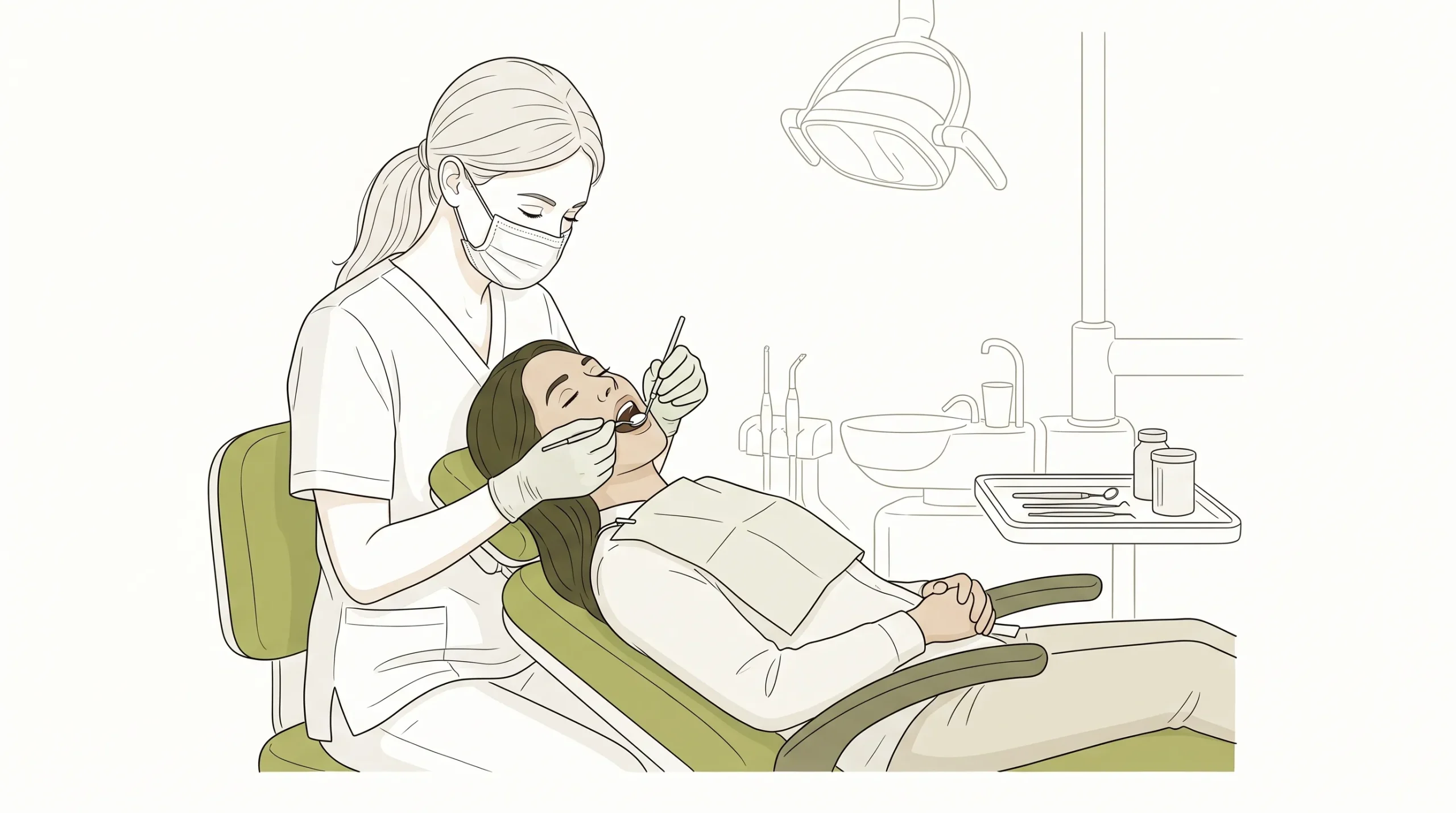
An appointment usually starts with a discussion about what you have noticed, when symptoms began and whether anything makes the tooth better or worse. Your dentist may ask about past dental treatment, medical history, medications, grinding habits and any recent injuries.
The clinical assessment may include checking the tooth surface, testing the bite, examining the gums and taking dental X-rays if needed. X-rays can help show decay between teeth, changes around the root, bone levels and the depth of existing fillings. Not every crack or problem shows on an X-ray, so your symptoms and the physical examination also matter.
Once the tooth has been assessed, your dentist can explain the likely cause of the damage and discuss suitable options. This conversation should include the expected purpose of treatment, possible risks, alternatives, maintenance needs and what may happen if you choose to delay or decline treatment.
If several teeth are damaged, your dentist may suggest prioritising treatment based on comfort, infection risk, structural weakness and your goals. This does not mean every concern must be treated immediately. A staged plan can sometimes be considered, depending on your oral health and circumstances.
Benefits, limitations and risks to understand
A dental restoration may help repair lost tooth structure, reduce food trapping, improve chewing comfort or protect a weakened tooth from further breakdown. Tooth-coloured materials can also blend more naturally with surrounding teeth in many cases.
However, all dental procedures have potential limitations and risks. These vary depending on the tooth, the material used, the size of the restoration and your oral health. Possible issues may include temporary or ongoing sensitivity, the need for further treatment, restoration wear or chipping, changes to the bite, gum irritation or complications related to local anaesthetic or sedation if used.
A restoration also needs maintenance. Fillings, crowns and other restorations can still develop decay around their edges if plaque control is difficult. Grinding, clenching, acidic diets and dry mouth can also affect how long treatment lasts. No restoration can be described as permanent or risk-free.
This is why a dental restore discussion should be individual. A conservative filling may be appropriate for one tooth, while another may need stronger coverage or a different approach. Your dentist can assess whether the benefits of treatment are likely to outweigh the risks for your situation.
What if you leave a damaged tooth untreated?
Some minor chips may remain stable for long periods, especially if they are smooth, symptom-free and easy to clean. Other forms of damage can progress. Decay may spread deeper into the tooth, a crack may extend or a weakened cusp may break under normal chewing pressure.
If bacteria reach the nerve space inside the tooth, symptoms can include lingering sensitivity, throbbing pain, swelling or an abscess. Treatment at that stage may be more involved than an earlier restoration. This does not mean you should feel alarmed about every small chip, but it does mean ongoing symptoms or visible damage should not be ignored.
A dental examination can help clarify whether a tooth can be monitored, restored simply or needs more comprehensive treatment.
Can damaged teeth be prevented?
Not all tooth damage can be prevented. Accidents, old restorations and bite forces can still cause problems. Even so, everyday habits can reduce some risks and may help restorations last longer.
Useful prevention strategies include brushing twice daily with fluoride toothpaste, cleaning between teeth, limiting frequent sugary snacks and drinks, wearing a custom mouthguard for contact sport and discussing grinding or clenching with your dentist. Routine dental examinations and professional cleans may also help detect early changes before they become more difficult to manage.
If you are unsure about timing, this guide to when a dental clean is recommended explains how cleaning frequency can vary depending on oral health, gum condition and risk factors.
Dental restoration care in Robina
For people living or working around Robina, Varsity Lakes, Merrimac, Burleigh Waters, Broadbeach Waters or nearby Gold Coast suburbs, a local dental assessment can be a practical way to understand what is happening with a damaged tooth.
The Dental Lounge @ Robina provides general dentistry, cosmetic dentistry, orthodontic options, oral surgery and sedation options in Robina, QLD. If a tooth is chipped, cracked, sensitive or has an old restoration that feels different, the team can assess your oral health and explain which options may be suitable, including potential benefits, risks and alternatives.
Payment plans and specials are available at the clinic, although costs and suitability depend on the treatment required. Your dentist can discuss this after examining the tooth and preparing a treatment plan.
Frequently asked questions
Is dental restore the same as getting a filling? Not always. A filling is one type of dental restoration. Depending on the amount and location of damage, restoring a tooth may involve bonding, an onlay, a crown, root canal treatment followed by a restoration or replacing a missing tooth.
Can a damaged tooth repair itself? Very early enamel changes may sometimes be managed before a cavity forms, but broken tooth structure generally does not grow back. A dentist can assess whether prevention, monitoring or restorative treatment is appropriate.
Does a cracked tooth always need a crown? No. Some minor cracks can be monitored, while others may need a crown or more complex treatment. The recommendation depends on the crack’s depth, symptoms, location and the amount of healthy tooth structure remaining.
When should I see a dentist about a broken tooth? It is sensible to arrange an assessment if the tooth is sharp, painful, sensitive, visibly cracked, trapping food or affecting your bite. Seek prompt advice if there is swelling, fever, severe pain or difficulty swallowing or breathing.
How long do dental restorations last? Longevity varies between patients and restoration types. Oral hygiene, bite forces, grinding, diet, dry mouth, the size of the restoration and regular dental care can all influence maintenance and replacement needs.
Considering treatment for a damaged tooth?
A damaged tooth is easier to understand once it has been examined. If you are unsure whether a dental restoration is needed, a dentist can check the tooth, explain what may be causing the problem and discuss options that fit your oral health, medical history and preferences.
To discuss a chipped, cracked, sensitive or broken tooth, you can book an appointment with The Dental Lounge @ Robina for an assessment in Robina, Gold Coast QLD.