

Choosing a family dental practice is one of those decisions that can quietly shape your household's health for years. The right clinic is not just somewhere you go when a tooth hurts. It becomes a trusted place for check-ups, preventive advice, children's first dental experiences, cosmetic goals, orthodontic conversations, urgent pain relief, and long-term oral health planning.
For families in Robina and across the Gold Coast, convenience matters, but it should not be the only factor. A clinic close to home is useful, yet the quality of care, communication, comfort, and transparency matter just as much. A good dental practice should make it easier for every member of the family to attend regularly, understand treatment options, and feel confident asking questions.
Below are the key things to look for before choosing a family dentist.
A preventive approach, not just problem solving
A strong family dental practice should place prevention at the centre of care. That means regular dental examinations, hygiene visits, oral health education, gum checks, dietary advice, and early detection of problems before they become painful or expensive.
This is especially important for families because oral health needs change over time. Children may need support with brushing habits, fissure sealants, mouthguards, or monitoring how adult teeth are developing. Adults may need gum care, fillings, crowns, cosmetic treatments, or advice about grinding. Older family members may need support with missing teeth, dry mouth, gum disease, or more complex restorative needs.
Healthdirect Australia explains that dental check-ups help identify tooth decay, gum disease, and other concerns, sometimes before you notice symptoms. That early intervention is one of the biggest advantages of having a regular dental team who knows your history.
A practice that only reacts to emergencies may help in the short term, but a preventive dental practice helps your family avoid repeat issues where possible.
Care that suits different ages and needs
A family dental practice should be comfortable caring for children, teenagers, adults, and older patients. This does not mean every family member will need the same type of appointment. It means the team should understand how to adapt care, language, pace, and treatment planning to suit different life stages.
For young children, this could mean making the visit calm and positive, explaining instruments in simple terms, and focusing on confidence building. For teens, it may involve orthodontic discussions, wisdom teeth monitoring, sports mouthguards, or advice about sugary drinks. For adults, it may include preventive care, restorative work, cosmetic options, or managing dental anxiety. For older adults, it may involve crowns, bridges, implants, dentures, or gum health management.
When a dental team can support different needs under one roof, family care becomes simpler. Records are easier to maintain, appointments can often be coordinated, and your dentist can better understand shared risk factors such as diet, oral hygiene routines, or family history.
A calm environment for nervous patients
Dental anxiety is common, and it should be taken seriously. Some people avoid appointments for years because of a past experience, fear of pain, embarrassment about their teeth, or a general sense of discomfort in clinical settings.
A good family dentist will not shame patients for being nervous or for delaying treatment. Instead, they will explain what is happening, offer breaks when needed, and discuss comfort options before treatment begins. For some patients, sedation options may also be worth discussing, depending on the procedure and their level of anxiety.
If someone in your household feels uneasy about appointments, it is worth reading more about fear of going to the dentist and how a supportive dental team can help make care feel more manageable.
Comfort is not a luxury in dentistry. It can be the difference between regular care and years of avoidance.
Clear communication and informed choices
The best dental practices do not rush you into decisions. They explain what they can see, why a treatment may be recommended, what alternatives exist, and what may happen if you wait.
You should feel comfortable asking questions such as:
- What is the cause of the problem?
- Is treatment urgent, or can it be monitored?
- Are there different treatment options?
- What are the benefits and limitations of each option?
- How many appointments are likely to be needed?
- What can I do at home to reduce the risk of this happening again?
Clear communication is particularly important for families because decisions may involve budget, school schedules, work commitments, and different comfort levels. A trustworthy dental practice gives you enough information to make a confident choice without pressure.
Transparent fees, payment options, and treatment plans
Cost is a real factor for many households. A quality family dental practice should be open about fees, provide treatment plans where appropriate, and explain payment options before care begins.
Transparency does not always mean the cheapest treatment. In dentistry, the lowest upfront price may not offer the best long-term value if it does not properly address the issue. What matters is that you understand what is being recommended, why it is recommended, and what the expected costs are.
Ask whether the clinic offers written treatment plans for more involved care. If you have private health insurance, ask how claiming works and whether item numbers can be provided before treatment. If payment plans or specials are available, the team should be able to explain the basics clearly without making you feel uncomfortable for asking.
Access to a broad range of services
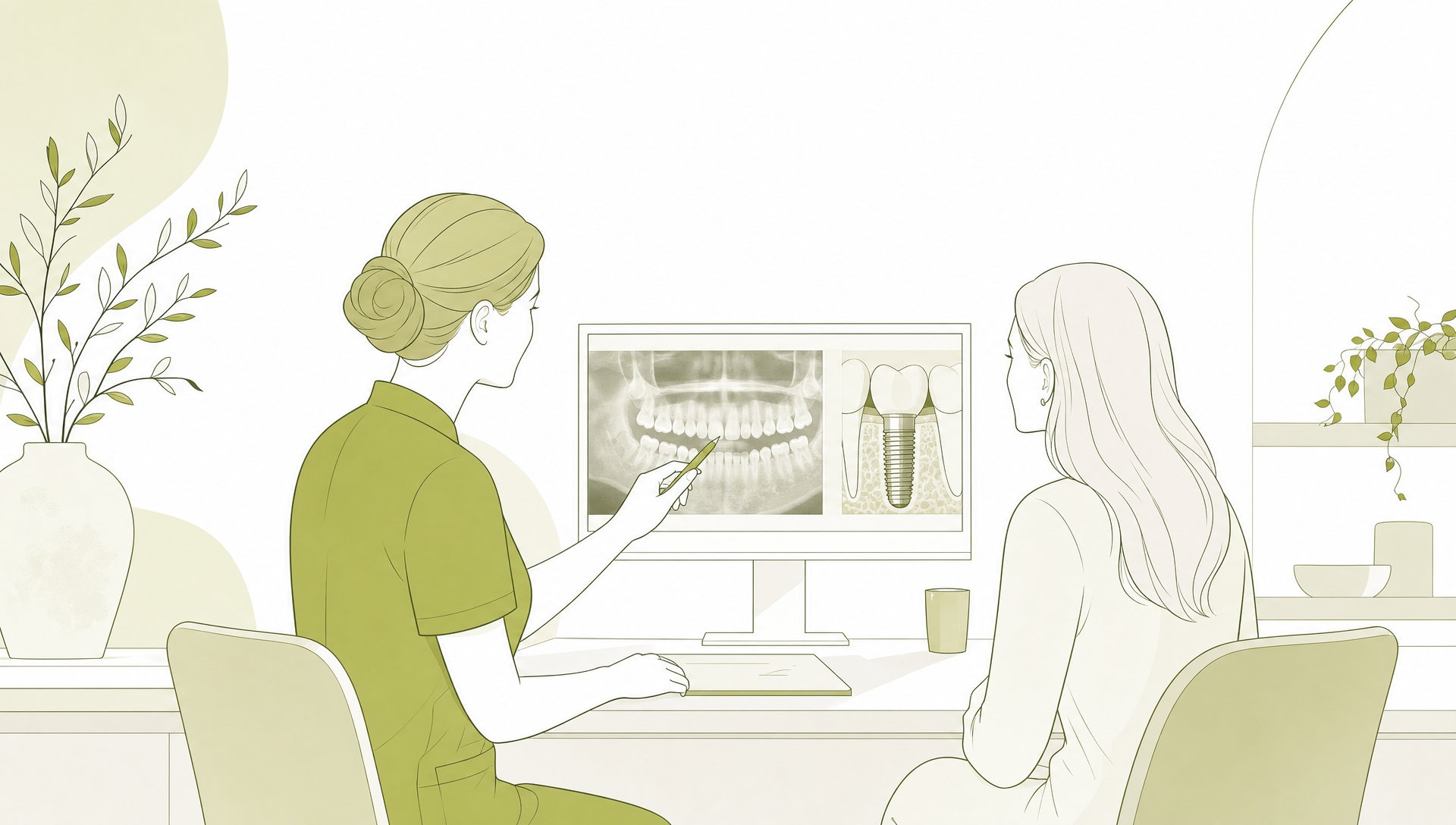
A family dental practice does not need to do everything, but it should be able to support the most common needs and guide you appropriately when more complex care is required.
For many families, it is helpful to choose a practice that offers a mix of general dentistry, cosmetic dentistry, orthodontic options, oral surgery, and sedation options. This can reduce the need to visit multiple locations and allows your dental team to coordinate care with a fuller understanding of your oral health history.
Here is a simple way to compare what a family dental practice may offer:
| Service area | Why it matters for families |
|---|---|
| General dentistry | Supports check-ups, cleans, fillings, gum care, and everyday oral health needs. |
| Children's dental care | Helps children build confidence and develop healthy habits early. |
| Cosmetic dentistry | Supports adults who want to improve the appearance of their smile. |
| Orthodontic options | Helps assess crooked teeth, bite concerns, and clear aligner suitability. |
| Oral surgery | Provides care for issues such as problematic teeth or wisdom teeth when appropriate. |
| Sedation options | May help nervous patients or those needing more involved treatment feel more comfortable. |
| Preventive care | Reduces the risk of avoidable pain, decay, gum disease, and repeated dental problems. |
If a concern does arise, early assessment is important. For example, tooth pain should be assessed early because pain can have many causes, and waiting can sometimes allow the problem to worsen.
A focus on long-term relationships
Family dentistry works best when there is continuity. Seeing the same practice over time helps your dental team understand what is normal for you, what has changed, and what treatments you have had in the past.
This relationship also helps children. When a child becomes familiar with the clinic, the dentist, and the appointment routine, dental visits often feel less intimidating. Positive early experiences can influence how they approach oral health into adulthood.
For adults, continuity makes treatment planning more consistent. Your dentist can track small changes in enamel, gum health, bite, restorations, and habits such as grinding. Rather than treating each appointment as an isolated event, they can help you make decisions with the bigger picture in mind.
Convenience without compromising care
Location, parking, appointment availability, and booking options all matter. A practice may be clinically excellent, but if it is difficult to attend, your family may delay visits.
Look for a clinic that fits naturally into your routine. For Robina families, that might mean being close to home, school, work, shopping, or public transport. It may also mean being able to book appointments easily and discuss scheduling needs with the team.
However, convenience should not come at the expense of trust. If a clinic feels rushed, unclear, or dismissive, it may not be the right fit even if it is nearby. The ideal choice balances access with quality, comfort, and communication.
A clean, modern, and professional setting
A dental clinic should feel clean, organised, and professional from the moment you arrive. Modern equipment can support efficient diagnosis and treatment, but the overall standard of care matters more than technology alone.
Pay attention to the little details. Are staff welcoming? Are questions answered clearly? Does the dentist explain findings in a way you understand? Are consent and comfort discussed before treatment? Do you feel respected rather than judged?
These details reveal a lot about the culture of a practice. For family care, a respectful and organised environment helps everyone feel safer and more willing to return.
Red flags to watch for
Most dental teams genuinely want to help, but it is still wise to notice signs that a practice may not be the right match for your family.
Be cautious if you feel pressured into treatment without a clear explanation, if costs are vague, if your questions are brushed aside, or if the clinic does not take anxiety seriously. It is also reasonable to seek a second opinion for complex or costly treatment, especially if you do not fully understand the recommendation.
A trustworthy dentist should welcome informed questions. Good dentistry is a partnership, not a sales process.
Questions to ask before choosing a family dental practice
Before booking your first appointment, a short phone call or website review can tell you a lot. Consider asking about the types of services offered, how the clinic supports nervous patients, whether children are welcome, and how treatment plans and fees are explained.
You may also want to ask how emergencies are handled, whether payment options are available, and what to expect during a first visit. The goal is not to interrogate the clinic, but to understand whether their approach suits your family.
A good practice will answer practical questions politely and clearly. That first interaction is often a helpful preview of the patient experience.
Frequently Asked Questions
How often should my family visit the dentist? Many people benefit from regular check-ups every six months, but the right interval depends on oral health, decay risk, gum health, medical history, and your dentist's advice. Some patients need more frequent visits, while others may be suitable for longer intervals.
What makes a dental practice family friendly? A family friendly practice provides care for different ages, communicates clearly, supports nervous patients, focuses on prevention, and makes appointments feel comfortable and organised. It should also explain treatment options and costs in a way families can understand.
Should I choose a dentist close to home? Location is important because convenience helps families keep regular appointments. However, it should be balanced with quality of care, trust, communication, comfort, and the range of services available.
What if my child is scared of the dentist? Choose a practice that takes a gentle, patient approach and focuses on positive early experiences. Let the team know about your child's concerns before the appointment so they can adapt the visit where possible.
Is it better to have one dentist for the whole family? It can be helpful because one practice can understand your family's history, coordinate appointments, and provide consistent preventive advice. The most important factor is that each family member feels comfortable and well cared for.
Looking for a family dental practice in Robina?
The right dental practice should help your family feel informed, comfortable, and supported at every stage of care. From preventive check-ups to cosmetic, orthodontic, oral surgery, and sedation options, choosing a clinic with broad experience can make oral health easier to manage.
If you are looking for a modern, independently owned dental clinic on the Gold Coast, you can book an appointment with The Dental Lounge Robina and speak with the team about your family's dental needs.