
If you are searching for veneers Gold Coast options, the first question is not usually “Which veneer looks best?” It is “Are veneers appropriate for my teeth, bite and oral health?” Veneers can be considered for some cosmetic concerns, including tooth colour, shape, minor chips or visible wear, but they are not suitable for every person or every tooth.
A proper veneer consultation should look at your gums, enamel, bite, existing fillings, lifestyle, budget and expectations before any treatment is recommended. For patients in Robina and across the Gold Coast, this helps keep the decision practical, informed and focused on long-term oral health as well as appearance.
Considering veneers on the Gold Coast? Start with what veneers actually do
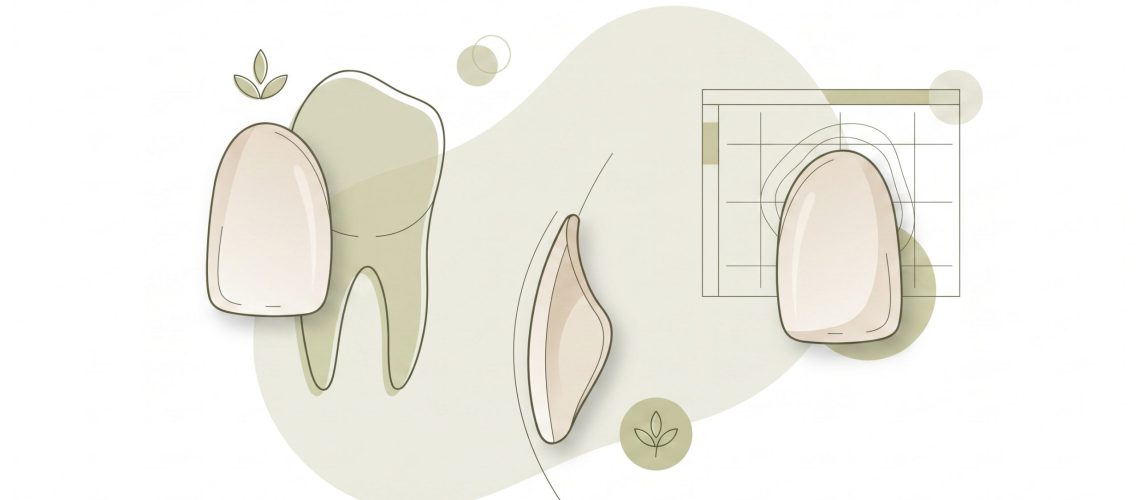
A dental veneer is a thin layer of dental material bonded to the front surface of a tooth. Veneers are usually placed on visible front teeth and may be used to alter the apparent colour, shape, size or minor alignment of selected teeth.
They are different from crowns. A crown covers more of the tooth and is often considered when a tooth needs more structural protection. A veneer generally covers the front surface, although some tooth preparation may still be needed depending on the material, the starting tooth shape and the desired result.
Veneers also do not move teeth in the way orthodontic treatment does. If crowding, spacing or bite position is the main concern, your dentist may discuss orthodontic options such as Invisalign before or instead of veneers. If colour is the main concern, whitening may be a more conservative option for natural teeth, although existing fillings, crowns and veneers do not whiten like enamel.
For a broader look at cosmetic choices, The Dental Lounge @ Robina has a helpful guide on how to compare cosmetic dental treatments locally.
Porcelain veneers vs composite veneers
The two common veneer options are porcelain and composite resin. Neither is automatically “better” for every patient. The right option depends on the tooth, the cosmetic concern, how much tooth structure is available, your bite and how you feel about maintenance, repair and cost.
| Feature | Composite resin veneers | Porcelain veneers |
|---|---|---|
| How they are made | Usually shaped directly on the tooth using tooth-coloured resin | Usually made outside the mouth by a dental laboratory, then bonded to the tooth |
| Tooth preparation | May involve little or no tooth reduction in selected cases, but this varies | Often involves some enamel preparation, depending on the case |
| Appearance | Can improve shape and colour, with results depending on the tooth and technique | Can provide a natural-looking ceramic finish when suitable and well planned |
| Staining and wear | More likely to stain or wear over time than porcelain | Generally more resistant to staining than composite, but not stain proof |
| Repair | Can often be repaired or adjusted directly, depending on the issue | Repairs can be more complex and replacement may be needed in some cases |
| Cost | Usually lower upfront than porcelain | Usually higher upfront due to laboratory work, materials and planning |
Your dentist should explain the differences in plain language and relate them to your own teeth rather than giving a one-size-fits-all recommendation.
Why oral health comes before veneers
Cosmetic dental treatment is usually planned after the basics are assessed. This includes checking for decay, gum inflammation, tooth wear, cracks, infection, bite problems and existing dental work.
If veneers are placed over teeth with untreated decay or gum disease, the underlying problem can continue. If a person has heavy grinding or clenching, veneers may be at higher risk of chipping, cracking or debonding. If a front tooth already has a large filling or has lost a lot of structure, a different restoration may be more appropriate.
This is why cosmetic and general dentistry are closely linked. The article on how general and cosmetic dentistry work together explains why tooth health, function and maintenance should be considered before cosmetic planning.
A veneer discussion may also include no treatment. Some tooth colour, shape and spacing differences are normal. Treatment should be considered because it matches your own goals and clinical situation, not because you feel pressured to change healthy teeth.
What a veneer consultation may involve
A veneer consultation is not just a quick shade selection. It is usually a planning appointment where your dentist gathers enough information to decide whether veneers may be suitable and what alternatives should be considered.
Your appointment may include:
- A conversation about what you would like to change and why
- An examination of your teeth, gums and bite
- Discussion of your dental and medical history
- Photos, X-rays or scans if clinically needed
- Assessment of existing fillings, crowns, cracks, wear or gum recession
- A comparison of veneer options and alternatives
- An explanation of likely steps, limitations, risks and maintenance
- A written treatment estimate before you decide whether to proceed
Some patients want a subtle change to one or two teeth. Others are considering several visible teeth. The amount of planning needed can vary considerably. More complex cases may require additional records or staged treatment, especially if there are bite concerns, tooth wear or previous dental work.
It is reasonable to ask your dentist to explain what is elective, what is needed for health and what could be delayed or avoided. Clear consent matters, particularly where enamel preparation may be involved.
What affects veneer cost on the Gold Coast?
Veneer fees can vary because treatment is highly case-dependent. A simple composite veneer on one tooth is different from a carefully planned set of porcelain veneers involving diagnostic records, laboratory work and bite considerations.
Common cost factors include the number of teeth being treated, the material chosen, the amount of planning required, whether old dental work needs attention first and whether additional treatments such as whitening, gum care or orthodontics are being considered. Laboratory-made porcelain veneers usually involve different costs from direct composite veneers because of the materials, clinical time and laboratory stages involved.
Cost discussions should also include maintenance. Veneers may need repairs or replacement over time. Oral hygiene appointments, protective splints for some people who grind their teeth and future review visits can form part of long-term care.
If you are comparing fees, it can help to understand what is included in the estimate rather than comparing headline prices only. The Dental Lounge @ Robina has a practical guide to dental treatment costs in Australia that explains why costs can differ between cases.
Payment plans may be available at some clinics, including The Dental Lounge @ Robina, but the details should be discussed directly with the practice before you make a decision.
Benefits, limitations and risks to understand
Veneers may help improve the appearance of selected teeth when they are suitable and well planned. They can be considered for concerns such as uneven edges, minor chips, mild shape differences, some discolouration or small spaces. The possible benefit depends on the tooth, the material, the bite and the treatment plan.
There are also limitations. Veneers do not make teeth immune to decay or gum disease. They do not change the position of the jaw or correct significant bite problems. They may not be the most conservative option if whitening, bonding or orthodontic treatment would address the concern with less alteration to tooth structure.
Potential risks and considerations can include sensitivity, veneer chipping or debonding, colour mismatch, gum irritation, changes to how the bite feels and the need for future repair or replacement. Where enamel is removed, that tooth structure does not grow back. All dental procedures carry potential benefits and risks, and experiences vary between patients.
A balanced consultation should cover what could go wrong as well as what may improve. If you feel uncertain, it is appropriate to ask more questions or take time before deciding.
Alternatives to veneers that may be discussed
Not every cosmetic concern requires veneers. In some cases, a more conservative or different treatment may be discussed first.
Teeth whitening may be considered when the main concern is the colour of natural teeth. It will not whiten existing fillings, crowns or veneers, so replacement or shade planning may still be relevant if restorations are visible.
Composite bonding may be used for small chips, minor shape changes or selected gaps. It is generally less invasive than some porcelain veneer cases, although it may stain or wear more readily and may need maintenance.
Orthodontic treatment, including clear aligner options such as Invisalign, may be considered when tooth position is the main concern. This can sometimes reduce the need to reshape teeth, although suitability depends on your bite, gums and treatment goals.
Crowns may be discussed when a tooth needs more coverage or structural support, such as when there is a large existing restoration. This is a different treatment from veneers and involves different considerations.
Sometimes the most suitable option is to monitor, clean, whiten or restore only the teeth that need care rather than treating multiple teeth for cosmetic reasons.
How to choose a veneer dentist locally
If you are considering veneers on the Gold Coast, location is only one part of the decision. Convenience matters, especially if treatment involves planning, preparation, fitting and review appointments. For people in Robina, Varsity Lakes, Burleigh Waters, Merrimac, Mermaid Waters or Broadbeach Waters, choosing a clinic that is practical to attend can make follow-up easier.
Clinical communication matters as much as convenience. A useful consultation should leave you with a clear understanding of the options, what each option can and cannot do, what treatment may involve and what maintenance may be needed later.
Before deciding, you may want to ask:
- What concern are we trying to address and are veneers the most conservative option?
- Would whitening, bonding, orthodontics or no treatment be reasonable alternatives?
- Will any enamel need to be removed?
- How many teeth would actually need treatment?
- What risks apply to my bite, gums or existing dental work?
- What maintenance or replacement might be needed in the future?
- What is included in the written estimate?
You can also review the clinic’s approach to cosmetic planning. The Dental Lounge @ Robina has a separate article on choosing a cosmetic dentist in Brisbane or the Gold Coast that outlines practical questions to consider.
Looking after veneers if you proceed
Veneers need the same foundations as healthy natural teeth: daily brushing with fluoride toothpaste, cleaning between the teeth, regular dental examinations and attention to gum health. The margin where a veneer meets the tooth still needs to be kept clean.
Habits can also affect veneer longevity. Biting fingernails, chewing hard objects, using teeth as tools or grinding can place extra stress on veneers. If you clench or grind, your dentist may discuss a protective splint, although whether this is suitable depends on your bite and other factors.
Diet and staining habits can also matter, particularly with composite resin. Coffee, tea, red wine and smoking may contribute to staining of natural teeth or resin materials. Porcelain is generally more stain resistant than composite, but the surrounding teeth and margins still need care.
For general patient information about oral health, the Australian Dental Association’s public resource Teeth.org.au is a useful starting point.
Frequently asked questions
Are veneers permanent? Veneers should not be described as permanent. They can last for a period of time when well planned and maintained, but they may chip, debond, stain, wear or need replacement. If enamel is removed during preparation, that change to the tooth is not reversible.
Do veneers damage teeth? Veneers involve bonding material to the tooth and some cases require enamel preparation. Removing enamel is an irreversible change, so your dentist should explain whether preparation is needed, how much may be involved and whether a more conservative option is available.
Can veneers fix crooked teeth? Veneers may improve the appearance of very minor shape or spacing concerns in selected cases, but they do not move teeth. If tooth position or bite alignment is the main issue, orthodontic treatment may be more appropriate.
Can I whiten my teeth after veneers? Whitening products do not whiten porcelain or composite veneers in the same way they whiten natural enamel. If whitening is part of your plan, it is often discussed before veneer shade selection so the veneer colour can be matched appropriately.
How many veneers do I need? The number varies. Some patients only need one veneer to improve the appearance of a chipped or uneven tooth. Others may consider several visible teeth. A dentist needs to assess your smile line, bite, tooth health and goals before advising what may be suitable.
Are veneers suitable if I grind my teeth? Grinding or clenching can increase stress on veneers and may affect suitability, material choice and maintenance planning. Your dentist can assess wear patterns and discuss whether a protective splint or another approach should be considered.
Discussing veneers with a dentist in Robina
If you are considering veneers on the Gold Coast, a dental examination can help determine whether they may be suitable for your teeth, gums, bite and goals. Your dentist can also explain the potential benefits, risks, limitations, costs and alternatives in a way that relates to your individual circumstances.
To discuss your concerns, you can book an appointment with The Dental Lounge @ Robina. The team can assess your oral health and help you understand which cosmetic or general dental options may be appropriate for you.