

If you are looking up teeth cosmetic surgery, you may be trying to understand whether a cosmetic dental treatment can change the appearance of your teeth, gums or overall smile. In dentistry, this phrase is often used by patients to describe a range of options, from whitening and veneers to crowns, implants or gum-related procedures. Not all of these are surgery in the strict sense, and suitability depends on your oral health, bite, medical history and personal goals.
Cosmetic dentistry, cosmetic surgery and what people usually mean
In Australia, many people use the word “surgery” broadly when talking about dental treatment. It can mean a dental clinic, a procedure or a more involved treatment that affects the gums, bone or tooth structure. Cosmetic dentistry is the more accurate term for dental care aimed at changing the appearance of teeth while still considering oral health and function.
In everyday searches, teeth cosmetic surgery can refer to treatments that improve colour, shape, position, size or replacement of teeth. Some options are minimally invasive, such as professional whitening. Others may involve tooth preparation, laboratory-made restorations or an oral surgical component, such as dental implants.
A dental assessment is the safest starting point because the same concern can have different causes. For example, a dark tooth may be stained, heavily filled, cracked, root-filled or affected by decay. Each situation has different treatment options and risks.
Common treatments people may be asking about
Cosmetic dental care is not one single treatment. Your dentist may discuss one option or a staged plan, depending on what needs to be addressed first. The table below gives a general overview, not a recommendation.
| Concern | Options that may be discussed | Key considerations |
|---|---|---|
| Tooth discolouration | Whitening, bonding, veneers, crowns | Whitening does not change the colour of existing fillings, crowns or veneers |
| Small chips or uneven edges | Composite bonding, enamel reshaping, veneers | Bonding may stain or chip over time and may need maintenance |
| Gaps or mild crowding | Clear aligners, bonding, veneers | Tooth movement may be more conservative in some cases than masking alignment |
| Heavily restored or cracked teeth | Crowns, onlays, replacement fillings | More tooth structure may need to be covered or reshaped |
| Missing teeth | Bridges, dentures, dental implants | Gum health, bone volume, bite and medical history matter |
| Gum appearance | Periodontal assessment, possible gum reshaping or referral | Gum treatment depends on anatomy, gum health and clinical need |
For many patients, teeth cosmetic surgery is not the first step. Existing decay, gum inflammation, grinding, an unstable bite or old dental work may need attention before cosmetic treatment is planned.
Whitening, bonding and veneers
Professional teeth whitening may be considered when the main concern is tooth colour. It can lighten natural tooth enamel, but it will not whiten fillings, crowns, veneers or bridges. Some people experience temporary sensitivity, and whitening may not be suitable for every type of discolouration.
Composite bonding uses tooth-coloured resin to repair or reshape parts of a tooth. It is often more conservative than some other restorative options, but it can stain, chip or wear and may need repair or replacement.
Veneers are thin coverings placed on the front surface of teeth. They may be made from composite resin or porcelain. Veneers can change tooth colour, shape and proportions, but they may involve removing some enamel and are not suitable for every bite or tooth condition.
Crowns, bridges, aligners and implants
Crowns cover more of the tooth than veneers and may be considered when a tooth is weakened, heavily filled or needs both cosmetic and structural support. Because more tooth preparation is usually required, your dentist should explain why a crown is being considered and whether other options may be appropriate.
Clear aligners, including Invisalign treatment where suitable, move teeth gradually. They may be discussed for crowding, spacing or bite concerns. Treatment depends on diagnosis, compliance with wearing the aligners and the health of the teeth and gums.
For missing teeth, dental bridges, dentures or implants may be considered. If you are comparing these choices, The Dental Lounge @ Robina has a helpful overview of options for replacing missing teeth that explains the broad differences.
When true surgery may be involved
Some cosmetic dental plans include a genuine surgical element. This may include placing a dental implant, removing a tooth before replacement or reshaping gum tissue in selected cases. These procedures require careful planning because they involve healing, anaesthesia considerations and potential risks such as infection, bleeding, delayed healing or the need for further treatment.
Before teeth cosmetic surgery with a surgical component is considered, your dentist may assess your gums, bone levels, bite, medical history, medications, smoking status and oral hygiene. X-rays or scans may be recommended where clinically appropriate.
Sedation options may also be discussed for patients who feel anxious or for certain procedures, depending on suitability. Sedation does not remove the need for informed consent, and your dental team should still explain the expected appointment, aftercare and alternatives.
For general patient information about oral health and dental procedures, the Australian Dental Association’s public resource Teeth.org.au is a useful place to read plain-language dental guidance.
How to decide whether teeth cosmetic surgery is suitable
A good decision starts with the reason you are considering treatment. Are you concerned about colour, tooth wear, crowding, old restorations, missing teeth or a combination of factors? Your dentist can examine the teeth and gums, then explain which options may be suitable and which may not be advisable.
It can also help to think about how much maintenance you are comfortable with. Whitening may need top-ups. Bonding may need polishing or repair. Veneers and crowns may eventually need replacement. Aligners require daily wear and retainers afterwards. Implants need healthy gums and ongoing cleaning around the restoration.
If you are still comparing pathways, you may find it useful to read about how to compare cosmetic dentistry options before making a decision.
Questions to ask at your consultation
The aim of a consultation is not to talk you into treatment. It is to understand your concerns, assess your oral health and explain options in a balanced way.
Helpful questions include:
- What is causing the concern I can see?
- Are there any oral health issues that need to be treated first?
- Which options are more conservative, and which involve more tooth preparation?
- What are the potential risks, limitations and maintenance needs?
- How long might treatment take, including planning and healing?
- What are the likely costs, and are payment plan options available?
- What happens if I choose not to proceed with cosmetic treatment?
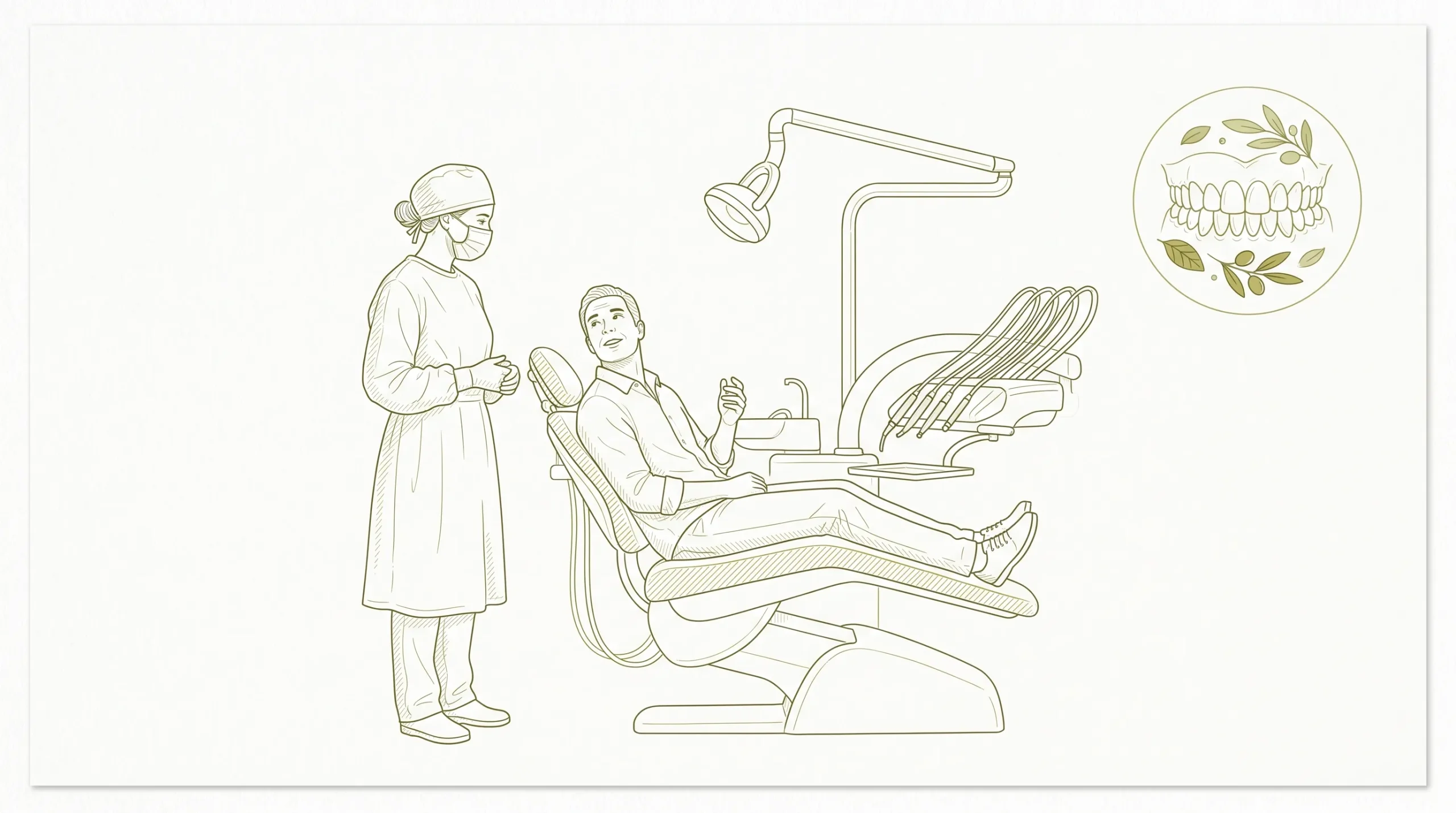
What happens at a cosmetic dentistry appointment in Robina?
A consultation for teeth cosmetic surgery or cosmetic dental care will usually begin with a conversation about what you would like to change and why. This helps your dentist understand whether your concern is mainly cosmetic, functional or related to an underlying dental issue.
Your dentist may then examine your teeth, gums, bite and existing dental work. Photographs, X-rays or scans may be suggested where they are clinically relevant. These records can help identify issues such as cracks, decay, bone levels, tooth wear or gum inflammation that may affect treatment planning.
You should be given time to discuss options, including doing nothing, staged care, less invasive options and more involved treatments. A plan may also include preventive care, such as improving gum health or managing tooth grinding, before cosmetic work begins.
For patients in Robina and nearby Gold Coast areas such as Varsity Lakes, Mermaid Waters, Burleigh Waters, Merrimac and Broadbeach Waters, a local consultation can also make follow-up and maintenance appointments easier to manage.
Timing, costs and planning around events
If teeth cosmetic surgery is being planned around a wedding, graduation, work event or other important date, timing matters. Some treatments need several appointments, laboratory work, healing time or a review period. Starting the conversation early gives your dentist more room to discuss conservative options and realistic timelines.
For example, someone organising a wedding may be coordinating dental appointments alongside fittings, photography and choosing bridal wear. Cosmetic dental treatment should not be rushed simply because an event is approaching, as oral health and informed consent still come first.
Costs vary because treatment plans vary. A single small bonding repair is very different from aligner treatment, multiple veneers, crown replacement or implant treatment. Ask for a written estimate that explains what is included, what may change and what ongoing maintenance might cost. If payment plans or specials are relevant to your situation, ask the clinic to explain the terms clearly before you decide.
Benefits, limitations and risks to understand
The possible benefits of cosmetic dental treatment may include changes to tooth colour, shape, alignment, proportion or replacement of missing teeth. These changes can be meaningful for some patients, but outcomes and experiences vary. No dental treatment can be promised to produce the same result for everyone.
The risks of teeth cosmetic surgery depend on the treatment. Whitening may cause sensitivity. Bonding can chip or stain. Veneers and crowns may require tooth preparation and can fracture, loosen or need replacement. Aligners can cause temporary discomfort and require retainers to help maintain tooth position. Surgical procedures may involve swelling, infection risk, delayed healing or further treatment if complications occur.
Limitations are just as important as benefits. Cosmetic treatment cannot make unhealthy teeth healthy without first addressing disease. It also cannot stop normal ageing, gum changes, tooth wear or future dental problems. Ongoing check-ups, home care and maintenance appointments remain important.
The Dental Board of Australia and AHPRA advertising guidance also reminds health services not to create unrealistic expectations. As a patient, it is reasonable to ask for balanced information rather than relying only on highly polished images or broad claims.
Planning a cosmetic smile with your dentist
Cosmetic dental planning is usually more reliable when it starts with health, not appearance alone. Your dentist may look at gum condition, tooth structure, bite forces, facial proportions, existing restorations and the way your teeth meet when you speak and chew.
Digital planning, photographs or mock-ups may sometimes be used to help explain options, depending on the treatment being considered. These tools are for discussion and planning, not a guarantee of a particular result.
If you want a more detailed planning framework, The Dental Lounge @ Robina has an article on how to plan a cosmetic smile with your dentist that covers the types of questions and steps that may be involved.
Frequently asked questions
Is teeth cosmetic surgery the same as cosmetic dentistry? Not always. Teeth cosmetic surgery is often a search term people use for cosmetic dentistry, but some cosmetic treatments are not surgical. Whitening, bonding and aligners are different from surgical procedures such as implant placement or some gum treatments.
Do I need healthy teeth before cosmetic treatment? In most cases, oral health should be assessed first. Decay, gum disease, cracked teeth, tooth grinding or an unstable bite may need to be managed before cosmetic treatment is recommended.
How long do cosmetic dental treatments last? Longevity varies by treatment, materials, oral hygiene, diet, bite forces and maintenance. Your dentist can explain the expected maintenance needs and possible replacement timeframes for your specific options.
Can I choose a less invasive option first? Sometimes, yes. For example, whitening or bonding may be considered before veneers in selected cases. However, the right approach depends on the cause of the concern and the condition of the teeth.
Is sedation available for cosmetic dental treatment? Sedation options may be discussed depending on the procedure, your medical history and your level of anxiety. Your dentist can explain whether sedation may be suitable and what is involved.
Discuss your options with a Robina dentist
If you are considering teeth cosmetic surgery, a dental examination can help clarify what is possible, what is suitable and what risks or alternatives apply to your situation. The right option for one person may not be appropriate for another.
To discuss your concerns, you can book an appointment with The Dental Lounge @ Robina. Your dentist can assess your oral health, explain treatment choices in plain language and help you make an informed decision without rushing into unnecessary care.