

When you book a consultation to talk about smile and braces goals, the appointment is usually less about being told what you “need” and more about understanding what you would like to change, what is happening clinically and which options may be suitable. For many people in Robina and across the Gold Coast, this first discussion helps turn a vague concern, such as crowding, gaps or an uneven bite, into a clearer plan for what to consider next.
A consultation does not mean you have committed to treatment. It is a chance for your dentist to assess your teeth, gums, bite and oral health, then explain the potential benefits, limitations, risks and alternatives in plain language.
Why smile and braces goals should be discussed together
Teeth straightening is often thought of as a cosmetic treatment, but alignment also relates to how your teeth meet when you bite, how easy they are to clean and how stable a result may be over time. That is why a dentist will usually discuss appearance, function and oral health together rather than treating them as separate topics.
A person may come in because one tooth looks out of place in photos. During the assessment, the dentist may also check whether there is crowding, wear, gum recession or bite pressure that could influence treatment planning. This does not mean every concern requires braces or aligners. It simply helps your dentist explain what is going on and which options may be reasonable.
If you are weighing up aesthetic treatment more broadly, it can be useful to understand how general and cosmetic dentistry work together, especially when alignment, tooth shape, old restorations or gum health are all part of the conversation.
What your dentist may ask at the start of the consultation
Before looking at treatment options, your dentist will usually ask what has brought you in. This part of the appointment matters because two people with similar tooth alignment can have very different priorities.
You may be asked about:
- Which teeth or areas you are most concerned about
- Whether your concern is mainly appearance, comfort, cleaning or bite function
- Whether your teeth have shifted over time
- Past orthodontic treatment, retainers or dental trauma
- Upcoming events or timeframes you have in mind
- Your preferences around visibility, appointments and maintenance
- Any medical history, dental anxiety or medications that may affect care
These questions help keep the discussion practical. For example, a patient who travels often may need a different appointment schedule from someone who lives close to Robina. A patient who plays contact sport, grinds their teeth or has active gum disease may also need those factors considered before treatment is recommended.
The clinical assessment behind a smile and braces discussion
A smile and braces discussion becomes more useful once your dentist has examined your mouth. This assessment may include checking your teeth, gums, jaw joints, bite and any existing restorations such as fillings, crowns or bridges.
Depending on your situation, your dentist may also recommend dental photographs, digital scans or X-rays. These records can help show tooth position, root position, bone levels and bite relationships. Not every record is required for every patient, and your dentist should explain why any imaging or records are being suggested.
Reliable public information from Orthodontics Australia also notes that orthodontic care involves more than the visible position of teeth. Bite, jaw growth, oral habits and long-term stability may all influence the approach.
| Consultation topic | Why it matters |
|---|---|
| Tooth alignment | Helps identify crowding, spacing, rotations or teeth that sit forward or back |
| Bite relationship | Shows how upper and lower teeth meet, which may affect treatment choices |
| Gum health | Inflamed or unstable gums may need care before orthodontic movement is considered |
| Existing dental work | Crowns, bridges and fillings can affect how teeth move or how cosmetic treatment is planned |
| Oral hygiene habits | Braces and aligners require consistent cleaning to reduce risks such as decay or gum inflammation |
| Expectations and goals | Helps the dentist explain what may be achievable and what limitations may apply |
How treatment options may be explained
Once your dentist understands your concerns and has completed the assessment, they can explain which options may be suitable for further consideration. This may include clear aligners, fixed braces or a combination of orthodontic and cosmetic dental care, depending on your individual circumstances.
During a smile and braces consultation, it is reasonable to ask how each option works, what it may involve day to day and what compromises may come with it. For example, clear aligners are removable and need to be worn as directed. Fixed braces stay on the teeth and require careful cleaning around brackets and wires. Both approaches require a personalised assessment before suitability can be confirmed.
At The Dental Lounge @ Robina, orthodontic options are part of the broader dental care conversation. If crooked teeth are your main concern, the clinic’s information on crooked teeth and straightening options may be a helpful starting point before or after your appointment.
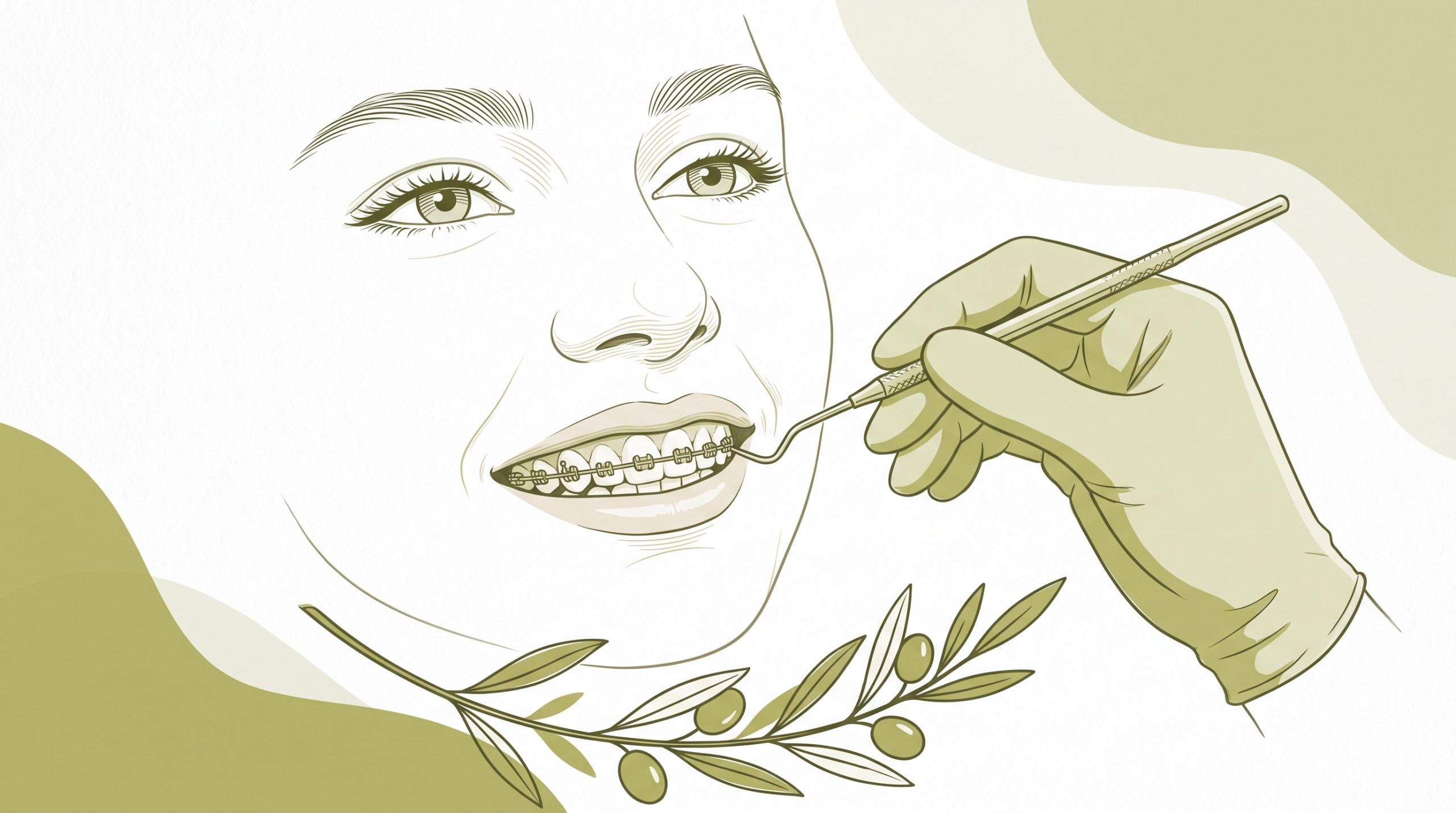
How appearance goals are kept realistic
A consultation should include an honest discussion about what orthodontic treatment can and cannot change. Braces and aligners are designed to move teeth, but they do not whiten teeth, change tooth colour, replace missing tooth structure or alter the natural shape of teeth in the same way as other dental treatments.
If your concerns include tooth colour, worn edges, chips or old restorations, your dentist may discuss whether orthodontics should happen before considering other cosmetic options. This sequencing can matter. For example, changing tooth positions first may reduce the need for more invasive cosmetic treatment in some cases, but this depends on the individual.
For patients comparing more than one pathway, how to compare cosmetic dentistry options can help frame questions around suitability, maintenance, costs and risks.
Questions worth bringing to your appointment
It is common to forget questions once you are in the dental chair. Bringing written smile and braces questions can make the consultation more useful and help you leave with clearer next steps.
Useful questions may include:
- What are the main causes of my alignment or bite concern?
- Are my gums and teeth healthy enough to consider orthodontic treatment now?
- Would clear aligners, fixed braces or another option be worth considering?
- What are the likely limitations in my case?
- Are extractions, attachments, tooth reshaping or other procedures likely to be discussed?
- How often would appointments usually be needed?
- What are the risks if I choose treatment, and what are the risks if I do nothing for now?
- What retention would be needed after treatment?
- Are there payment options or staged treatment approaches I can discuss?
Your dentist may not be able to answer every question fully until records are taken and reviewed. In more complex cases, referral to a specialist orthodontist may be appropriate.
Benefits, limitations and risks should be discussed clearly
Orthodontic treatment may help improve tooth alignment, bite relationships and ease of cleaning for some patients. It may also support cosmetic goals when tooth position is the main concern. These are possible benefits, not guaranteed outcomes.
In a balanced smile and braces conversation, your dentist should also explain limitations and risks. These may include temporary discomfort, irritation from appliances, difficulty cleaning, tooth decay or gum inflammation if plaque is not well controlled, root resorption (shortening of tooth roots), changes to the bite, relapse after treatment and the possibility that treatment may take longer than first estimated.
Clear aligners rely heavily on patient wear time. Fixed braces require care with certain foods and cleaning around brackets. Retainers are usually needed after orthodontic treatment to help maintain tooth positions, although teeth can still shift over time.
The Australian Dental Association’s public oral health website provides general information about keeping teeth and gums healthy. This is especially relevant if you are considering braces or aligners, because daily oral hygiene becomes an important part of reducing preventable problems during treatment.
What happens after the consultation
After the first appointment, your dentist may provide a general explanation on the day or recommend further records before a detailed plan is prepared. A treatment plan should outline the proposed approach, likely stages, expected responsibilities, fees, maintenance needs and any alternatives.
You should have time to consider the information. It is appropriate to ask for clarification if you do not understand why a treatment has been suggested or what may happen if you choose not to proceed. Informed consent means you understand the relevant benefits, risks, alternatives and costs before making a decision.
If orthodontic treatment is not suitable straight away, your dentist may recommend stabilising oral health first. This could involve managing decay, gum inflammation, heavily worn teeth or other dental issues before tooth movement is considered.
When to seek dental advice sooner
Some tooth alignment concerns can be discussed at a routine consultation. However, it is sensible to arrange a dental appointment sooner if you have symptoms such as tooth pain, swelling, dental trauma, a loose adult tooth, bleeding gums that do not settle, difficulty chewing or a sudden change in your bite.
These symptoms do not automatically mean you need braces. They may point to dental or gum issues that should be assessed before any cosmetic or orthodontic planning. A dental examination can help determine the cause and whether treatment, monitoring or referral may be appropriate.
For families, children and teenagers may also benefit from dental checks as their teeth and jaws develop. Timing varies, and not every child needs orthodontic treatment, but early assessment can help identify issues that may need monitoring.
Frequently Asked Questions
Do I need braces if only one tooth looks crooked? Not necessarily. One rotated or crowded tooth can sometimes be managed in different ways, depending on the bite, available space, gum health and your goals. Your dentist can assess whether orthodontics, cosmetic treatment, monitoring or another approach may be suitable.
Can adults discuss braces or aligners at a consultation? Yes. Adults can ask about orthodontic options, including clear aligners or fixed braces, but suitability depends on oral health, bone support, gum condition, bite, medical history and treatment goals.
Will treatment start at the first consultation? Usually, the first appointment focuses on assessment, discussion and planning. Further records may be needed before a treatment plan can be finalised. Your dentist should explain the process before anything proceeds.
How long does orthodontic treatment take? Treatment time varies widely. It depends on the complexity of tooth movement, the option used, biological response, attendance, aligner wear if relevant and whether any other dental care is needed. Your dentist can give a more personalised estimate after assessment.
Are clear aligners better than braces? One is not automatically better for every patient. Clear aligners may suit some cases and lifestyles, while fixed braces may be more appropriate in other situations. The right comparison depends on your clinical needs, preferences and the limitations of each option.
Discussing your options in Robina
A consultation is the right place to talk through your concerns without assuming that one treatment is the answer. Your dentist can assess your oral health, explain what may be contributing to your tooth position or bite concern and outline options that may be appropriate for your circumstances.
If you would like to discuss smile and braces goals with a dental team in Robina, you can book an appointment with The Dental Lounge @ Robina. The aim of the consultation is to help you understand your options clearly, including potential benefits, risks, alternatives and next steps.