

If you are comparing cosmetic dental work options, the most useful starting point is not a treatment name. It is the concern you want assessed, such as discolouration, worn edges, chips, gaps, crowding, old fillings or missing teeth. From there, a dentist can check your oral health, explain what each option involves and discuss whether treatment is likely to suit your teeth, gums, bite, medical history and preferences.
Cosmetic dentistry can be simple or more involved. Some options focus mainly on appearance, while others also restore tooth strength or function. The right plan often combines general and cosmetic dentistry, because healthy teeth and gums provide a more stable foundation for aesthetic treatment.
Common cosmetic dental work options by concern
Different smile concerns can have more than one possible treatment pathway. For example, a chipped front tooth might be managed with composite bonding in some cases, while a heavily restored or weakened tooth may need a crown instead. This is why an examination matters before choosing a cosmetic option.
| Smile concern | Options your dentist may discuss | Important considerations |
|---|---|---|
| Tooth discolouration | Teeth whitening, replacement of stained restorations, veneers in selected cases | Whitening does not change the colour of fillings, crowns or veneers |
| Small chips or worn edges | Composite bonding, enamel reshaping, veneers or crowns depending on tooth condition | Bonding can chip or stain over time and may need maintenance |
| Gaps between teeth | Orthodontic treatment, bonding, veneers or a combination approach | Closing gaps cosmetically can affect tooth proportions and bite balance |
| Mild crowding or rotated teeth | Clear aligners such as Invisalign, fixed orthodontics or restorative options in selected cases | Tooth movement takes time and requires healthy gums and bone support |
| Old metal or mismatched fillings | Tooth-coloured fillings, inlays, onlays or crowns | Replacement should be based on clinical need as well as appearance |
| Missing teeth | Dental implants, bridges or dentures depending on suitability | Bone levels, gum health, medical history and budget can influence options |
| Uneven tooth shape or size | Bonding, veneers, crowns or orthodontic planning | Removing tooth structure may be irreversible, so conservative options are worth discussing |
The Australian Dental Association’s patient resource, Teeth.org.au, is also a helpful place to read general information about oral health and dental treatment in Australia.
Teeth whitening for stains and colour changes
Teeth whitening may be considered when the main concern is tooth colour rather than tooth shape, position or damage. It aims to lighten natural tooth enamel using whitening agents under dental guidance. It is commonly discussed for surface staining from foods, drinks or smoking, as well as some age-related darkening.
Whitening is not suitable for every type of discolouration. It will not lighten porcelain crowns, veneers, tooth-coloured fillings or dental bonding. Some stains, such as those related to trauma, developmental enamel changes or certain medications, may not respond predictably.
Possible side effects include tooth sensitivity and gum irritation, usually depending on the product, concentration, application method and the individual. A dental assessment before whitening can help identify decay, cracks, gum recession or leaking fillings that may need attention first. If you are weighing up whitening against other cosmetic treatments, this guide to where teeth whitening fits within cosmetic dentistry may help you understand its role.
Composite bonding for small chips, gaps and shape concerns
Composite bonding uses tooth-coloured resin material applied directly to the tooth. It can be shaped and polished to address selected chips, small gaps, uneven edges or localised surface defects. In many situations it is more conservative than porcelain treatment because little or no enamel removal may be needed, although this depends on the case.
Bonding can be a useful option when the concern is limited and the underlying tooth is otherwise healthy. It can also be used as part of a staged plan, especially when someone wants to understand how changes in tooth shape may look before considering longer-term restorative options.
The limitations are important. Composite resin is not as strong or stain-resistant as porcelain. It can chip, wear or discolour and may require repair or replacement. Habits such as nail biting, chewing pens or grinding can affect how well bonding lasts. Your dentist may also check your bite to see whether the bonded area would be under heavy pressure.
Veneers for changes in tooth shape, colour or proportions
Veneers are thin coverings placed over the front surface of teeth. They may be made from porcelain or composite resin and can be considered for selected concerns involving colour, shape, minor spacing or tooth proportions.
Porcelain veneers often require some enamel preparation. Once enamel is removed, the change is generally irreversible and the tooth will usually need to remain covered with a restoration. Composite veneers may involve less tooth preparation in some cases, but they tend to require more maintenance over time.
Veneers are not a shortcut around oral health issues. Active decay, gum disease, unstable bite problems or heavy grinding may need to be addressed first. Possible risks include sensitivity, chipping, debonding, colour mismatch over time and the need for replacement in the future. A dentist can explain whether a veneer is suitable or whether another option may be more conservative.
Crowns for teeth that need strength as well as appearance
A dental crown covers most or all of the visible part of a tooth. It may be recommended when a tooth is heavily filled, cracked, worn, weakened after root canal treatment or structurally compromised. In these situations, the cosmetic benefit may be secondary to restoring strength and function.
Crowns can be made from different materials, including ceramic or porcelain-based materials that are selected to match nearby teeth. The preparation usually involves removing some tooth structure, so crowns are more invasive than whitening or simple bonding.
A crown may not be the first option for a healthy tooth with a small cosmetic concern. Your dentist should explain why a crown is being recommended, what tooth structure needs to be removed, whether less invasive options are possible and what maintenance may be required.
Tooth-coloured fillings for old, visible or damaged restorations
Some people become aware of old metal fillings when they laugh or speak, particularly if they are placed in visible areas. Others have tooth-coloured fillings that no longer match due to staining, wear or changes in the surrounding tooth.
Replacing a filling is not always necessary just because it is visible. If a filling is sound and the tooth is healthy, the benefits of replacement need to be balanced against the fact that removing a restoration can also remove some tooth structure. However, if a filling is leaking, cracked, decayed around the edges or affecting appearance in a way you would like assessed, tooth-coloured restorative options may be discussed.
The Dental Lounge @ Robina has a page on replacing old metal fillings with tooth-coloured fillings if this is one of your concerns.
Orthodontic options for crowding, spacing and bite concerns
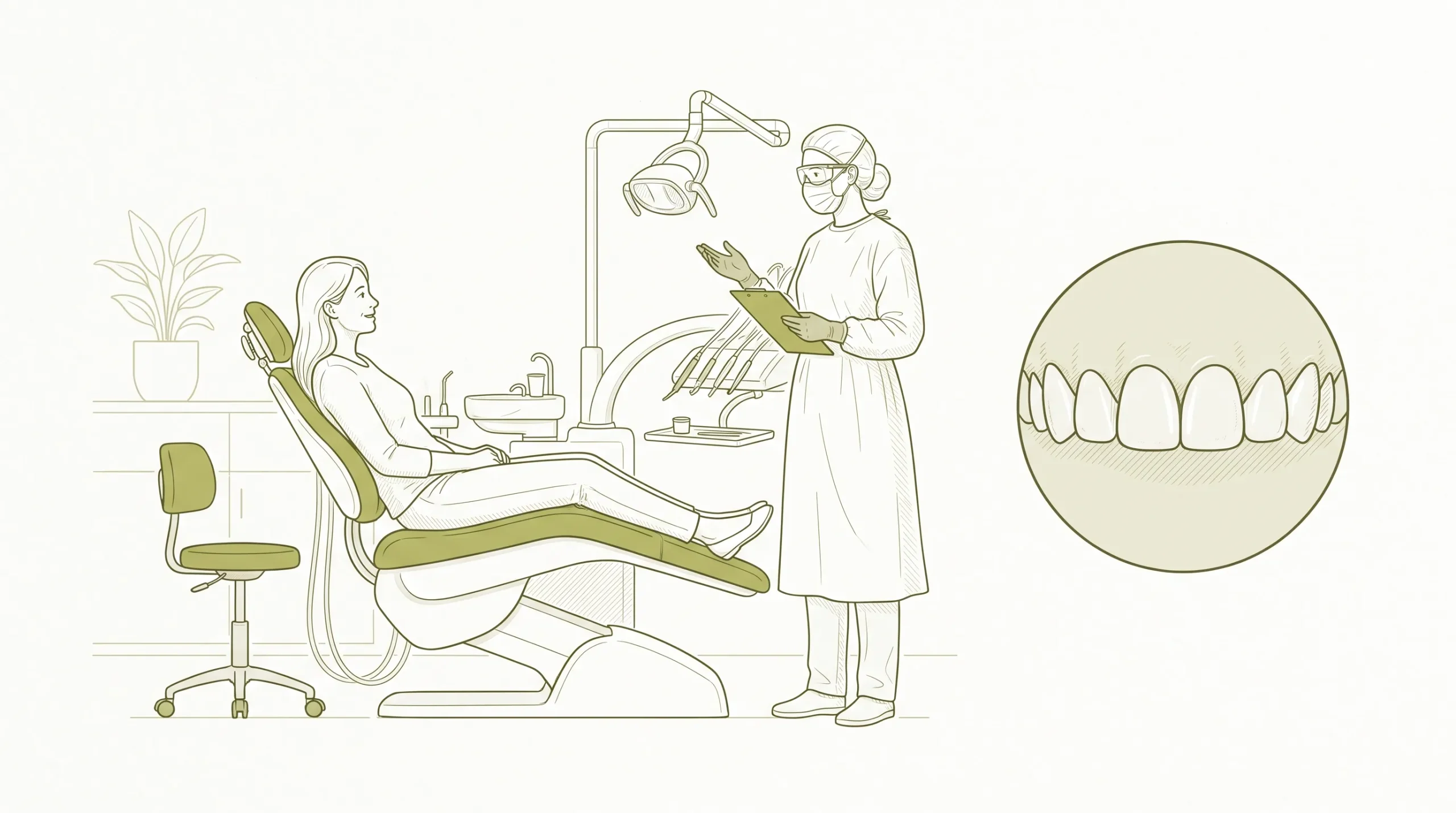
When teeth are crowded, rotated or spaced unevenly, orthodontic treatment may be more appropriate than covering the teeth with restorations. Orthodontics focuses on moving teeth into improved positions over time. This may involve clear aligners such as Invisalign or other orthodontic systems depending on the case.
Clear aligners are removable trays designed to apply controlled pressure to teeth. They need to be worn as directed for treatment to progress. They may not be suitable for every bite issue, and success depends on diagnosis, treatment planning, gum health, tooth support and patient compliance.
For some patients, orthodontics may be combined with whitening, bonding or reshaping after the teeth have moved. This can sometimes reduce the amount of tooth structure that needs to be altered for cosmetic reasons. Your dentist can explain whether orthodontic assessment is sensible before restorative treatment.
Options for missing teeth
A missing tooth can affect appearance, chewing and the way neighbouring teeth function. Replacement options may include a dental implant, bridge or denture, depending on the position of the missing tooth, bone levels, gum health, general health, budget and personal preference.
A dental implant involves placing a titanium fixture in the jawbone to support a crown, bridge or denture. It requires a surgical procedure and is not suitable for everyone. A bridge is fixed to neighbouring teeth or implants, while a denture is removable. Each option has different maintenance needs, risks and costs.
If missing teeth are part of your cosmetic or functional concern, The Dental Lounge @ Robina outlines general options for replacing missing teeth that may be discussed during an appointment.
Why oral health comes before cosmetic treatment
Cosmetic dentistry is safest and most predictable when the mouth is healthy enough to support it. Before recommending cosmetic work, a dentist may check for tooth decay, gum inflammation, gum disease, cracked teeth, bite issues, tooth grinding and signs of infection.
This is not about delaying treatment unnecessarily. It is about making sure a cosmetic plan does not hide an active dental problem or place restorations on teeth that need care first. For example, whitening teeth when there is untreated decay may increase sensitivity. Placing veneers when gum disease is active may affect the fit, appearance and longevity of the restoration.
General health can also influence dental planning. Medical conditions, medications, smoking, pregnancy, diabetes, dry mouth and previous dental experiences can all be relevant. If broader health goals are part of your care, such as weight management under medical supervision, it is usually best to involve appropriately qualified health professionals. Some people seek structured support through services such as medically supervised weight management programs alongside advice from their usual GP or medical team.
What an appointment for cosmetic dental work may involve
A cosmetic dental consultation should be an information-gathering appointment, not a rushed decision. The aim is to understand what concerns you, what is happening clinically and which options may be reasonable.
Depending on your needs, the appointment may involve:
- A discussion about what you would like assessed and what you hope to change
- A dental examination of your teeth, gums, bite and existing restorations
- X-rays if clinically indicated
- Photos or shade assessment where useful for planning
- A discussion of suitable options, limitations, risks and alternatives
- An explanation of timeframes, maintenance and likely future replacement needs
- A written treatment plan or estimate where appropriate
If you feel unsure, it is reasonable to ask questions or take time before proceeding. Cosmetic dental care is elective in many cases, so informed consent matters. You should understand what is being recommended, why it is being recommended and what may happen if you choose to delay or not proceed.
Questions to ask before choosing a cosmetic option
Good questions can make treatment choices clearer. They can also help you compare options in a practical way, rather than focusing only on appearance or upfront cost.
Consider asking your dentist:
- Is my mouth healthy enough for this treatment now?
- Are there more conservative options I should consider first?
- How much natural tooth structure would need to be removed?
- What are the common risks or complications?
- How long might the treatment take and what maintenance is involved?
- Will future repair or replacement be likely?
- How will this treatment affect my bite, cleaning routine or existing dental work?
- What are the costs and are payment plan options available?
No cosmetic option is maintenance-free. Whitening may need review or top-up advice, bonding can need repair, veneers and crowns may require replacement over time and orthodontic treatment usually requires retainers to help maintain tooth position.
Choosing between several cosmetic dental work options
If more than one option could address the same concern, your decision may come down to conservativeness, durability, maintenance, cost, treatment time and how comfortable you feel with the trade-offs.
For example, a small chip may be addressed with bonding, which is often conservative but may need ongoing maintenance. A veneer may provide a different material option but can involve enamel removal. Orthodontics may take longer for spacing or crowding concerns, but it may reduce the need to reshape teeth. There is rarely one universal answer.
A balanced approach is to choose the least invasive option that reasonably addresses your concern, provided it is clinically appropriate. In some cases that may be whitening or bonding. In others, a crown, aligner treatment or missing-tooth replacement may be more suitable.
Frequently Asked Questions
What is the most common cosmetic dental work option? Teeth whitening, bonding, veneers, crowns, tooth-coloured fillings and orthodontic options are commonly discussed. The most suitable option depends on the reason for the concern, the health of your teeth and gums and your individual goals.
Can cosmetic dentistry fix chipped teeth? Some chipped teeth may be suitable for composite bonding, reshaping, veneers or crowns. The choice depends on the size of the chip, tooth strength, bite pressure, decay risk and whether the tooth has other damage.
Is teeth whitening suitable before veneers or bonding? It may be considered in some treatment plans because whitening changes natural tooth colour but not restorations. Your dentist may discuss whitening first so future restorations can be matched to the chosen shade, if appropriate.
Are cosmetic dental procedures permanent? Most cosmetic dental treatments are not permanent. Bonding, veneers, crowns, fillings and whitening all have different maintenance needs and may require repair, replacement or review over time.
Can I have cosmetic dental work if I have gum disease? Active gum disease usually needs assessment and management before cosmetic treatment. Healthy gums help support teeth and restorations, so your dentist may recommend periodontal care first.
How do I know which option is right for me? A dental examination is needed to assess your oral health, bite, existing restorations, medical history and treatment preferences. Your dentist can then explain the possible benefits, risks, limitations and alternatives.
Discuss cosmetic dental options in Robina
If you are considering cosmetic dental work options in Robina or nearby areas of the Gold Coast, a dental assessment can help clarify what is suitable for your mouth rather than relying on general treatment descriptions.
The team at The Dental Lounge @ Robina can assess your concerns, explain relevant options and discuss possible benefits, risks, costs and alternatives. To arrange an appointment, contact the clinic and let the team know what you would like assessed.