
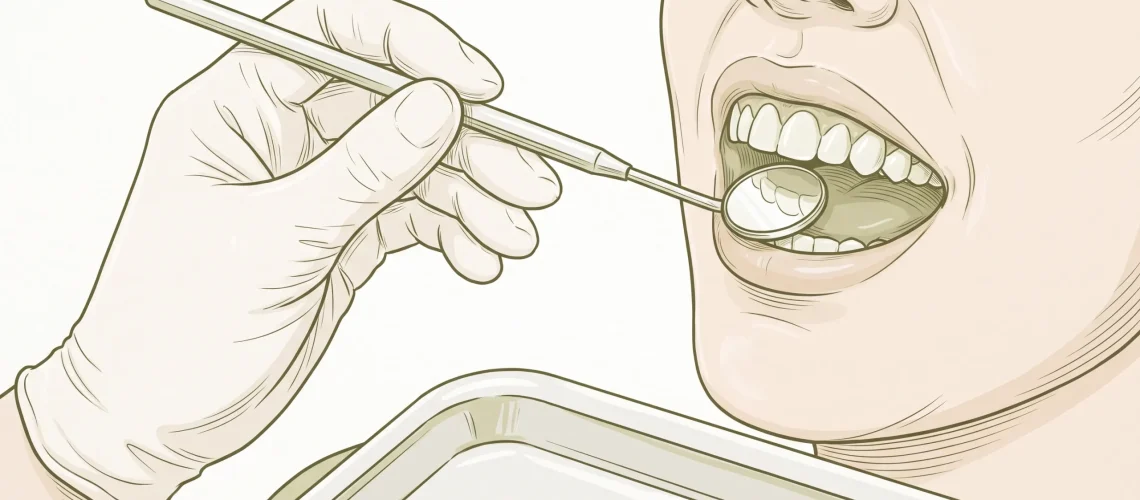
A teeth clinic appointment usually involves a conversation about your concerns, an examination of your teeth and gums, and advice about any next steps that may be suitable for you. If you are booking in Robina or elsewhere on the Gold Coast, knowing the flow of the visit can make the appointment feel more predictable, especially if it has been a while since your last check-up.
The exact appointment may vary depending on why you are visiting. A routine check-up is different from an appointment for tooth pain, a broken filling, cosmetic concerns or a second opinion. In most cases, the aim is to understand your oral health, explain findings clearly and help you make informed decisions without pressure.
What a teeth clinic appointment is for
At a teeth clinic, the main purpose of an appointment is to assess your mouth as a whole, not just look at one tooth. Your dentist may check your teeth, gums, bite, jaw joints, existing fillings, crowns, oral soft tissues and any symptoms you mention.
This matters because dental problems can overlap. Sensitivity may be related to enamel wear, gum recession, decay, cracks, grinding or recent dental work. Bleeding gums may be linked to brushing technique, plaque build-up, gum inflammation, medication, smoking or other health factors. A clinical examination helps narrow down possible causes.
A dental appointment can also be preventive. The Australian Dental Association’s patient website, Teeth.org.au, provides public information about oral health and routine dental care, including why regular checks may help detect problems earlier. How often you should attend depends on your individual risk factors, oral health history and your dentist’s recommendation.
For a broader overview of preventive care, you may also find The Dental Lounge @ Robina’s guide on how a dental clinic can support a healthy smile useful.
Before your appointment: what to bring and mention
Before a teeth clinic visit, it helps to gather a few details so your dentist can understand the full picture. You do not need to have all the answers, but being prepared can make the appointment more useful.
Bring or be ready to discuss:
- Your medical history, including allergies and current medications
- Any recent dental X-rays or records if you are transferring clinics
- Symptoms such as pain, sensitivity, swelling, bleeding or jaw discomfort
- Previous dental treatment, including crowns, implants, orthodontics or wisdom tooth removal
- Pregnancy, diabetes, heart conditions, blood thinner use or other health factors that may affect dental care
- Concerns about anxiety, gagging, local anaesthetic or previous dental experiences
If you are visiting because of pain, try to notice when it happens. For example, does it occur with cold drinks, biting, sweets, brushing or at night? Does it linger or disappear quickly? These details can help guide the examination.
If you are comparing clinics or preparing for treatment, clear information matters. The same principle applies across many services, from healthcare to purchases outside dentistry such as premium shipping containers for sale by Lease Lane Containers, where people often look for inspection details, pricing transparency and delivery information before deciding. In dentistry, you can ask for explanations of findings, options, likely timeframes, risks and costs before consenting to treatment.
What usually happens when you arrive
A first appointment often begins with check-in and paperwork. This may include contact details, medical history, consent forms and information about your reason for attending. If you have private health insurance, the team may ask for your card or relevant details.
During a teeth clinic appointment, the dental team may ask what brought you in and what you would like help with. This is a good time to mention if you feel nervous, have a sensitive gag reflex, dislike certain sounds or need breaks during treatment.
Your dentist may then carry out a visual examination using a dental mirror, light and other small instruments. They may check for decay, cracks, wear, gum inflammation, plaque, calculus (hardened plaque), changes in the soft tissues of the mouth and how your teeth meet when you bite.
The appointment is also a chance to discuss goals that are not urgent but still matter to you, such as whitening, chipped teeth, missing teeth, crowding or old dental work. Your dentist can explain which concerns are health-related, cosmetic or both.
Common parts of a dental check-up
Not every appointment includes the same steps. The table below outlines what may be included and why it may be recommended.
| Part of the appointment | What it may involve | Why it may be recommended |
|---|---|---|
| Medical history review | Questions about health conditions, medications and allergies | Helps plan care safely and appropriately |
| Oral examination | Checking teeth, gums, soft tissues, bite and existing dental work | Helps identify visible concerns and possible causes of symptoms |
| Gum assessment | Measuring gum pockets or checking bleeding and inflammation | Helps assess gum health and plaque control needs |
| Dental X-rays | Small images of selected teeth or broader views when clinically indicated | May show decay, bone levels, infection or impacted teeth not visible in the mouth |
| Professional cleaning | Removal of plaque and calculus, followed by polishing when suitable | Supports gum health and helps remove build-up that brushing cannot remove |
| Treatment discussion | Explanation of findings, options, risks, alternatives and costs | Supports informed consent before any treatment begins |
Dental X-rays are not automatically required at every visit. Your dentist should recommend them only when they are clinically useful, such as when checking between teeth, assessing roots, reviewing bone levels or investigating symptoms.
If you are nervous about seeing a dentist
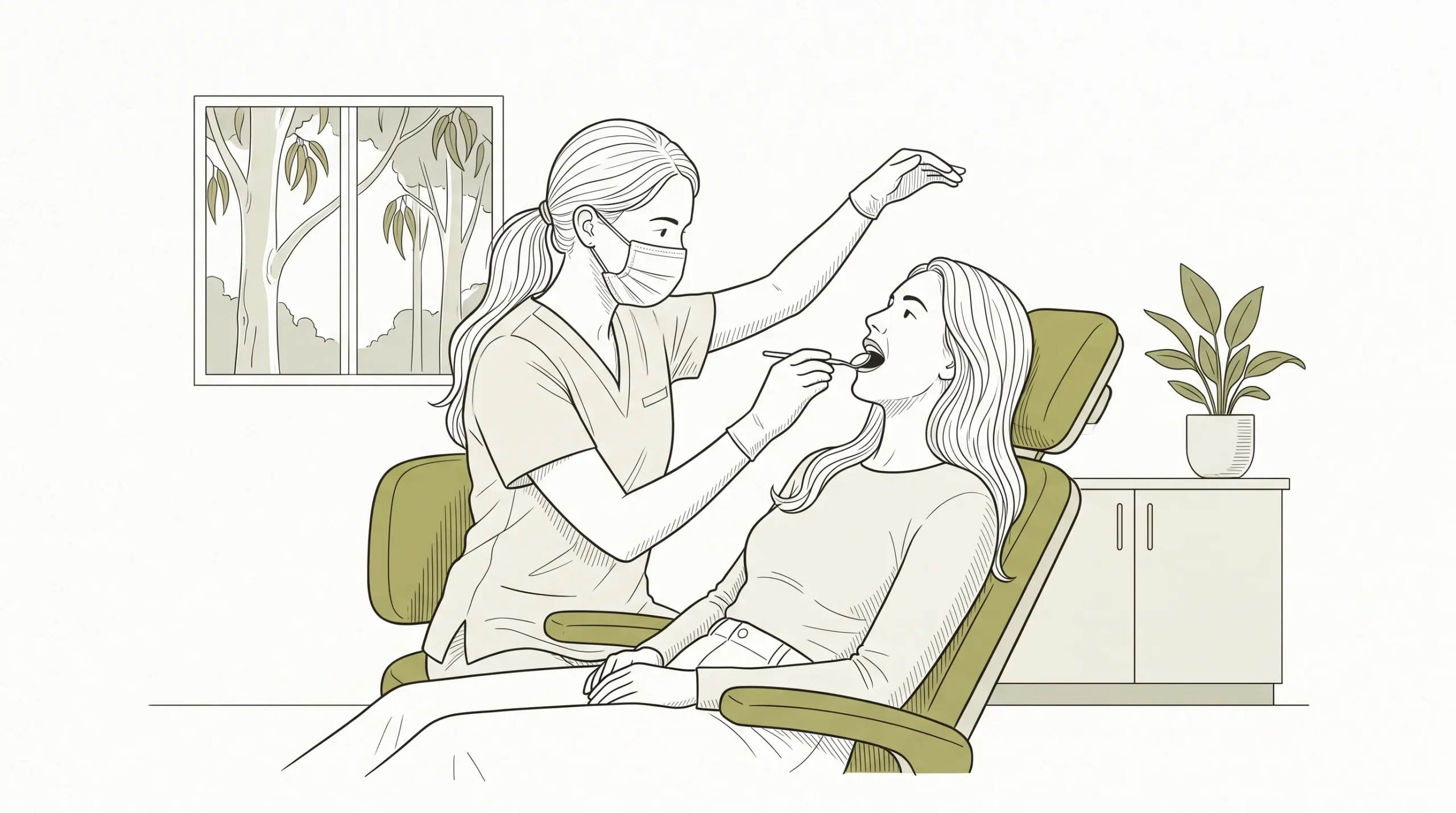
Feeling anxious about dental care is common and should be taken seriously. You can tell the clinic before or during the appointment if you are worried. Your dentist may be able to explain each step before it happens, agree on a stop signal, offer breaks or discuss ways to make treatment feel more manageable.
Some clinics, including The Dental Lounge @ Robina, offer sedation options. Sedation is not suitable for every patient or every procedure, and it requires an individual assessment that considers your medical history, medications, the planned treatment and safety requirements.
A teeth clinic conversation about anxiety should include practical questions, not judgement. You may wish to ask what options are available, who provides them, what preparation is needed, whether you need someone to take you home and what risks or limitations apply.
If you are planning treatment and want to feel more prepared, this guide to questions to ask a private dental clinic before treatment covers consent, costs, alternatives and follow-up in more detail.
What if your dentist finds a problem?
If your dentist finds decay, gum disease, a cracked tooth, an infection, bite-related wear or another concern, they should explain what they have found in plain language. In many situations there may be more than one option, including monitoring, preventive care, restorative treatment or referral where needed.
A treatment plan may include stages. For example, urgent symptoms may be addressed first, followed by gum care, fillings, replacement of failing dental work or cosmetic concerns if those are relevant to you. Treatment sequencing depends on your oral health, symptoms, preferences, budget and clinical priorities.
All dental procedures carry potential benefits and risks. Fillings, crowns, extractions, root canal treatment, whitening, veneers, orthodontic treatment and oral surgery all have different considerations. Outcomes and recovery can vary between patients.
If you are unsure, you can ask your dentist to explain what may happen if you delay treatment, whether there are conservative options and what signs would mean you should return sooner.
Costs, payment information and informed consent
A good teeth clinic should be willing to discuss costs before treatment begins, where costs can reasonably be estimated. For some procedures, fees depend on the complexity of the tooth, number of surfaces involved, materials used, X-rays required, sedation needs or whether referral is appropriate.
For routine care, a check-up and clean may have a more predictable structure, though inclusions can vary between clinics. The Dental Lounge @ Robina has a separate article explaining what may be included in teeth cleaning prices, including examination, scaling, polishing, gum assessment and possible X-rays.
Before you agree to treatment, you can ask:
- What are the findings and possible causes?
- What options are available, including doing nothing for now if appropriate?
- What are the potential benefits, risks and limitations?
- How many appointments may be needed?
- What costs are expected and what could change?
- Will my health fund provide a rebate, if I have cover?
- Is a payment plan available and what terms apply?
Consent is not just a signature. It is the process of understanding what is proposed and having the chance to ask questions.
When symptoms may need prompt dental assessment
Some dental symptoms should be assessed promptly. This does not mean you should panic, but it is sensible to contact a dentist if you have swelling, facial pain, fever, pus, trauma, uncontrolled bleeding, a knocked-out adult tooth or pain that is worsening or affecting sleep.
If your teeth clinic appointment is for a broken tooth, dental injury or swelling, the first visit may focus on diagnosis and stabilising the situation rather than completing all treatment that day. For example, your dentist may need an X-ray, temporary restoration, medication where clinically appropriate or a discussion about referral.
A knocked-out adult tooth is a time-sensitive dental injury. If this happens, avoid scrubbing the tooth, handle it by the crown rather than the root and seek urgent dental advice. If there are signs of serious injury, difficulty breathing, major facial trauma or severe swelling affecting swallowing, emergency medical care may be needed.
Cosmetic or orthodontic concerns at a first visit
Many people book because they want to discuss tooth colour, chipped edges, gaps, crowding, worn teeth or missing teeth. A dentist should first check oral health and function before discussing cosmetic options. This is because gum disease, decay, cracks, grinding or bite problems may affect what is suitable.
Options such as whitening, bonding, veneers, crowns, Invisalign treatment or other orthodontic care depend on your teeth, gums, enamel, bite, expectations and maintenance needs. No cosmetic treatment is suitable for everyone, and normal variations in tooth shape, colour and alignment do not automatically require treatment.
Your dentist can explain whether a concern is mainly cosmetic, functional or both. They may also discuss less invasive options, ongoing maintenance and the possibility that treatment may need repair or replacement over time.
After the appointment: what you may leave with
At the end of a teeth clinic visit, you may receive a summary of findings, preventive advice, a treatment plan, an estimate, X-ray results or instructions for home care. If treatment is recommended, you should understand the reason for it before booking further appointments.
For routine visits, your dentist may suggest a recall timeframe. This may be six months for some patients, but others may need to attend more or less often depending on gum health, decay risk, medical history, smoking, dry mouth, orthodontic treatment, implants or other factors.
If you have had a clean, your teeth may feel smoother. Some people notice temporary sensitivity, especially if there was gum inflammation or build-up around the gumline. If discomfort is significant, persistent or worsening, contact the clinic for advice.
Frequently asked questions
How long does a first dental appointment usually take? The length varies depending on the reason for your visit, whether X-rays are needed and whether cleaning is included. When booking, you can ask how long to allow for your appointment.
Will I need X-rays at my first visit? Not always. Your dentist may recommend X-rays if they are needed to assess areas that cannot be seen directly, investigate symptoms or plan treatment. The reason should be explained to you.
Can I attend if I am embarrassed about my teeth? Yes. Dental teams regularly see people with many different oral health concerns. The purpose of an appointment is to assess your needs and discuss options, not to judge you.
What if I only want a cosmetic consultation? You can raise cosmetic concerns, but your dentist should also assess your oral health first. Gum health, decay, enamel condition and bite can affect which cosmetic options may be suitable.
Can I bring someone with me? In many cases, bringing a support person is possible, especially if you feel anxious or need help remembering information. It is sensible to ask the clinic when booking so they can advise what is practical.
Planning a dental appointment in Robina
A teeth clinic appointment should leave you with a clearer understanding of your oral health, your options and any next steps that may be appropriate. You do not need to commit to treatment on the spot unless urgent care is clinically required and you understand what is involved.
If you are in Robina, Varsity Lakes, Merrimac, Burleigh Waters, Mermaid Waters, Broadbeach Waters or nearby areas on the Gold Coast, you can contact The Dental Lounge @ Robina to arrange an assessment. Your dentist can review your concerns, explain the potential benefits, risks and alternatives of any recommended care, and help you decide what feels appropriate for your circumstances.