
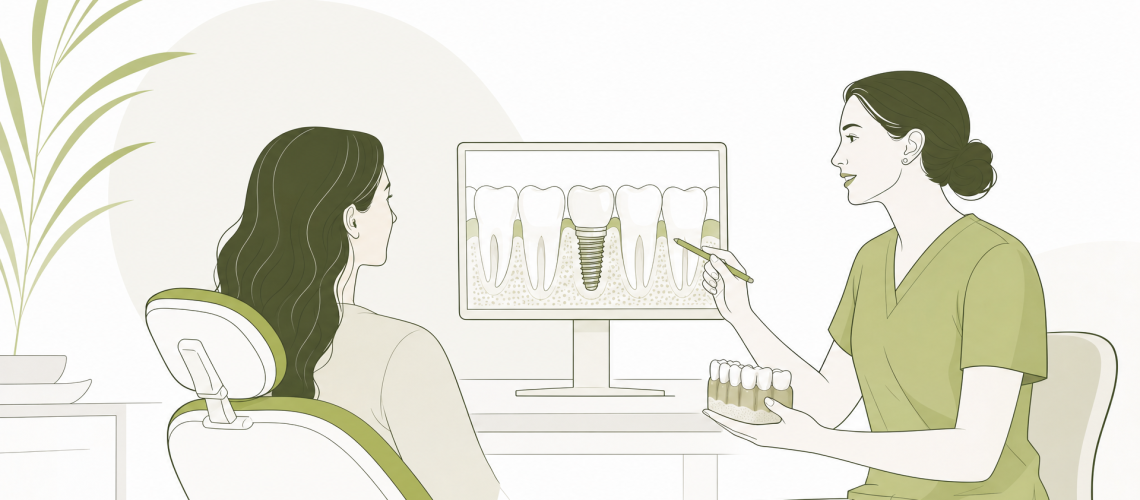
A dental clinic supports a healthy smile by combining prevention, early detection, practical advice and treatment planning when something needs attention. Brushing and flossing at home matter, but regular dental care gives you a clearer picture of your oral health, including your teeth, gums, bite, jaw and existing dental work.
For people in Robina and across the Gold Coast, seeing a dentist is not only about fixing a problem after it becomes uncomfortable. It can also be a way to understand your risks, ask questions and make informed choices about general, cosmetic or orthodontic care.
This article is general information only. It cannot diagnose a dental condition or replace advice from a dentist who has examined your mouth.
How a dental clinic supports your smile beyond a check-up
A healthy smile is not just about how teeth look. It also depends on the health of your gums, the strength of your teeth, how your bite functions and whether small changes are noticed early enough to manage them appropriately.
A dental clinic can help by creating a record of your oral health over time. At one appointment, a small area of wear, gum inflammation or an early crack may not seem significant. When your dentist can compare findings across visits, patterns can become clearer. This may support better decisions about monitoring, preventive care or treatment.
A clinic visit is also an opportunity to talk through concerns that are difficult to assess on your own. Sensitivity, bleeding gums, bad breath, jaw tension, tooth grinding and changes in old fillings can all have different causes. Your dentist can examine the area, ask about your habits and explain what may be contributing.
At The Dental Lounge @ Robina, dental care may include general dentistry, cosmetic dentistry, orthodontic options, oral surgery discussions and sedation options where clinically appropriate. The right approach depends on your oral health, medical history, comfort level and personal goals.
Preventive care is the foundation of a healthy smile
Prevention usually starts with daily habits, but a dental clinic can help refine those habits to suit your mouth. Not everyone has the same risk of tooth decay, gum disease, tooth wear or dental injury. A person with dry mouth, crowded teeth, exposed root surfaces or a history of frequent fillings may need different advice from someone with a lower risk profile.
The Australian Dental Association provides patient information through Teeth.org.au, including guidance on brushing, cleaning between teeth and common dental conditions. Your dentist can build on that general advice with recommendations tailored to what they see during an examination.
Professional cleaning can also support gum health by removing hardened plaque, known as calculus or tartar, that cannot be brushed away at home. This does not mean every patient needs the same appointment schedule. Your dentist can suggest a recall interval based on your individual circumstances.
| Area of support | What a dental clinic may assess | Why it can matter |
|---|---|---|
| Tooth decay risk | Plaque levels, diet, dry mouth, previous fillings and early enamel changes | Early advice may reduce the chance of larger problems developing |
| Gum health | Bleeding, pocket measurements, calculus and gum recession | Gum inflammation can progress if it is not identified and managed |
| Bite and tooth wear | Grinding signs, cracked teeth, jaw discomfort and worn enamel | Bite forces may affect teeth, fillings, crowns and jaw comfort |
| Existing dental work | Fillings, crowns, bridges, implants or other restorations | Older dental work may need monitoring, repair or replacement over time |
| Oral soft tissues | Cheeks, tongue, palate and gums | Changes in soft tissues may need professional assessment |
Preventive care is not about looking for faults. It is about understanding what is happening in your mouth and making sensible choices before symptoms become more difficult to manage.
What may happen during a routine dental appointment
A routine dental visit can vary depending on your needs, but it often begins with a conversation. Your dentist may ask about pain, sensitivity, bleeding gums, medical conditions, medications, pregnancy, smoking or vaping, jaw symptoms and any recent changes you have noticed.
The examination may include checking your teeth, gums, bite and existing dental work. X-rays may be recommended when your dentist needs information that cannot be seen directly, such as decay between teeth, bone levels around teeth or changes under old restorations. X-rays are not needed for every patient at every visit, and your dentist should explain why they are being recommended.
If a clean is appropriate, plaque and calculus may be removed from around the teeth and gumline. Your dentist or oral health professional may also discuss brushing technique, interdental cleaning and product choices such as fluoride toothpaste or mouthguards if relevant.
Just as importantly, a dental appointment gives you time to ask questions. If you are unsure why a treatment has been recommended, what the alternatives are or what may happen if you choose to monitor an issue, it is reasonable to ask for a clear explanation.
Comfort, communication and dental anxiety
Some people avoid dental visits because they feel nervous, embarrassed or unsure what to expect. Dental anxiety is common, and it can range from mild unease to significant distress.
A supportive dental clinic can make appointments feel more manageable by explaining procedures in plain language, allowing time for questions and discussing comfort measures before treatment begins. For some patients, this may include breaks during care, a slower appointment pace or sedation options where suitable and safe.
Sedation is not appropriate for everyone, and it requires assessment of your medical history, the procedure being considered and the level of anxiety involved. Your dentist can explain the potential benefits, risks and alternatives before you decide.
If nervousness has stopped you from booking care, The Dental Lounge @ Robina has more information about fear of going to the dentist and how concerns can be discussed before treatment.
When treatment is needed, planning matters
If your dentist finds a problem, the next step is usually to explain what has been found and what options may be available. Depending on the situation, this might involve monitoring, preventive care, a filling, a crown, gum treatment, orthodontic assessment, oral surgery referral or another approach.
A good treatment discussion should cover the reason treatment is being considered, the likely benefits, the limitations, the risks and what may happen if no treatment is done at that time. In some cases, doing less and monitoring carefully may be reasonable. In other cases, delaying care may allow a condition to become more complex.
All dental procedures carry potential risks and benefits. Treatment experiences and outcomes vary between patients because every mouth is different. Factors such as tooth structure, gum health, bone levels, bite forces, medical history and home care can all influence what is suitable.
Cosmetic dentistry should also begin with oral health. Whitening, bonding, veneers, crowns, aligners and other cosmetic options are not automatically suitable for every person. If you are considering changes to the appearance of your teeth, it can be useful to read about choosing a cosmetic dental treatment that suits you before your consultation.
Payment planning can also be part of informed decision-making. If cost is a concern, ask whether options can be staged, whether alternatives exist and what payment plans may be available. A clear written treatment plan can help you compare choices without feeling pressured.
Healthy smiles are supported between appointments too
Your dental team can guide you, but daily care still does much of the work. The most useful home habits are usually simple and consistent.
- Brush twice daily with fluoride toothpaste, unless your dentist has advised otherwise.
- Clean between teeth using floss or interdental brushes that suit your spacing and dexterity.
- Limit frequent sugary snacks and drinks, particularly between meals.
- Drink tap water where available, as many Australian communities have fluoridated water.
- Wear a professionally fitted mouthguard for contact sport if recommended.
- Mention grinding, clenching or jaw soreness rather than waiting for teeth to chip or crack.
- Avoid smoking and seek support if you are trying to quit, as smoking can affect gum health and healing.
If home care feels difficult, it is worth saying so. Your dentist can suggest practical adjustments, such as different brush heads, interdental tools or techniques that are easier for your mouth shape.
Signs that should be checked by a dentist
Not every dental concern is urgent, but some symptoms should not be ignored. Tooth pain, swelling, trauma, loose teeth, persistent bleeding or a broken tooth can indicate a problem that needs assessment.
Healthdirect provides general information about toothache, including when to seek care. If you have facial swelling, fever, difficulty swallowing, difficulty breathing, uncontrolled bleeding or significant trauma, seek prompt medical or dental advice.
You may also want to book a dental appointment if you notice:
- Tooth sensitivity that is new, worsening or localised to one tooth.
- Bleeding gums that continue despite careful brushing.
- Bad breath or a bad taste that does not improve.
- A filling, crown or veneer that feels loose, rough or uncomfortable.
- Jaw pain, clicking or headaches associated with clenching or chewing.
- Wisdom tooth discomfort, swelling or difficulty cleaning at the back of the mouth.
If discomfort is your main concern, you can also read The Dental Lounge @ Robina's information about tooth pain and why an assessment may help identify the cause.
Choosing a dental clinic for ongoing smile care
For many people, the right dental clinic is one they can visit regularly, ask questions comfortably and return to when their needs change. Location can matter too. If you live or work around Robina, Varsity Lakes, Mermaid Waters, Burleigh Waters, Merrimac or Broadbeach Waters, a nearby clinic may make routine care easier to keep up with.
When comparing clinics, look for clear communication, transparent treatment planning, preventive advice and a willingness to discuss alternatives. The same general principles apply across Australia. For example, a family considering care outside Queensland might compare information from a Geelong dental clinic with general and cosmetic dental services in the same way they would compare appointment options, comfort measures and treatment explanations locally.
The most important point is that dental care should be based on an individual assessment, not assumptions about what every person needs. A healthy smile is supported by care that fits your mouth, your health, your preferences and your circumstances.
Frequently Asked Questions
How often should I visit a dental clinic for a healthy smile? The right interval varies. Some people are advised to attend every six months, while others may need more or less frequent visits depending on decay risk, gum health, medical history and previous dental treatment. Your dentist can recommend a schedule after assessing your mouth.
Can a dental clinic help if I feel anxious about treatment? Yes, anxiety can be discussed before any procedure. Your dentist may talk through what to expect, agree on communication signals, allow breaks or discuss sedation options if suitable. Suitability for sedation depends on your medical history and the type of treatment.
Do I need cosmetic dentistry to have a healthy smile? No. A healthy smile is mainly about teeth, gums and oral function. Cosmetic dentistry is optional and may be considered if you have aesthetic concerns, but oral health should be assessed first.
What should I do if I have tooth pain? Book a dental assessment so the cause can be investigated. Tooth pain can come from decay, cracks, gum problems, infection, grinding or other causes. Severe swelling, fever, difficulty swallowing or breathing, or dental trauma may require prompt professional advice.
Can a dentist tell me which treatment is suitable at the first visit? Sometimes, but not always. Your dentist may need an examination, X-rays, gum assessment or further planning before recommending options. Suitability depends on your oral health, anatomy, medical history and treatment goals.
Discuss your oral health with a Robina dental team
If you would like to understand what is affecting your teeth, gums or smile, a dental examination can help identify possible causes and appropriate options. The team at The Dental Lounge @ Robina can assess your oral health, explain findings in plain language and discuss potential benefits, risks and alternatives before treatment is considered.
To arrange an appointment, contact The Dental Lounge @ Robina and speak with the team about your concerns, whether they relate to prevention, discomfort, appearance, orthodontic options or dental anxiety.